Watering Without Guesswork
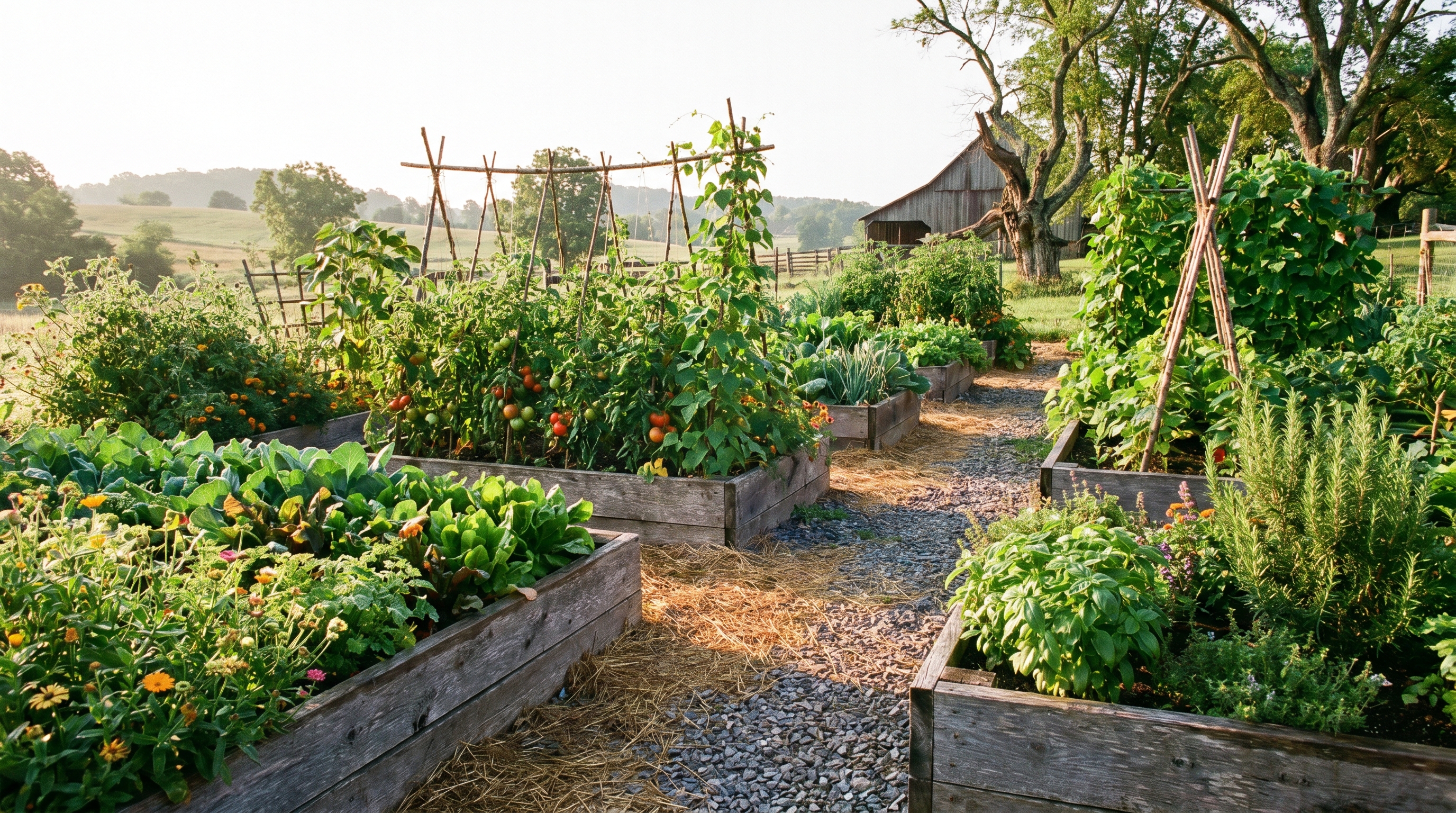
The short version: water deeply and less often, not a little every day. Before you water, push a finger one to two inches into the soil — if it's dry at that depth, give the bed a good slow soak at the base of the plants, ideally in the early morning. A deep drink that reaches the roots beats a daily sprinkle every time, because it trains roots to grow down where the soil stays moist.
Watering feels like it should be the easy part of gardening, and yet it's where most beginners quietly go wrong. Either we forget entirely, or we love our plants to death with a splash every single evening. The good news: you can throw out the guesswork. Let the soil tell you when to water, and a few simple habits will carry you through the season.
Why deep and less often beats a daily sprinkle
A quick daily splash only wets the top inch of soil. Roots are lazy in the best way — they grow toward water, so if the only moisture is at the surface, your plants build shallow roots that dry out the moment you skip a day or the sun comes out hard.
A deep, slow soak does the opposite. Water sinks several inches down, and roots follow it downward into soil that stays cool and damp far longer. Those deep-rooted plants are sturdier, handle heat better, and forgive you when life gets busy. So the goal isn't "water more" — it's water thoroughly, then leave it alone until the soil actually needs it again.
The finger test: how to know when to water
This is the whole skill in one move. Forget watering by the calendar. Instead, stick a finger one to two inches into the soil near the base of a plant.
- Dry at that depth? Time to water.
- Still cool and damp? Wait and check again tomorrow.
That's it. The top of the soil almost always looks dry in the sun, which fools people into watering when the root zone below is still perfectly moist. Checking an inch or two down tells you what the roots are actually experiencing. Do this every time, and you'll never have to wonder again.
Water the soil, not the leaves
Plants drink through their roots, not their leaves, so aim your water at the base of the plant and the soil around it. Soaking the root zone is what actually feeds the plant. Spraying the whole plant from above mostly wets foliage that can't use it.
There's a second reason to keep leaves dry: damp foliage is where many fungal diseases get started. Watering at the base — with a can or a hose held low — keeps the leaves dry and your plants healthier. If you do splash the leaves, morning watering gives them all day to dry off.
The best time of day to water
Early morning is the sweet spot. The soil is cool, so less water evaporates before it soaks in, and the plant has a full reservoir to draw on through the heat of the day. Any stray drops on the leaves dry quickly in the morning sun.
Midday watering wastes a lot to evaporation. Evening watering is fine in a pinch, but leaves and soil that stay wet through a cool night give fungus and slugs an opening — so if you water in the evening, keep it at the base and off the foliage.
How to water your garden the right way
Put it all together and the routine is short:
- Do the finger test. Push a finger one to two inches into the soil. Dry down there? Water. Still damp? Wait.
- Water deeply at the base. Soak slowly so moisture sinks several inches to the roots — not a quick surface splash.
- Water in early morning. Plants drink before the heat, and any wet leaves dry fast.
- Soak the root zone, not the leaves. Aim at the soil to feed the roots and keep foliage dry.
- Mulch to hold moisture. A layer of organic mulch slows evaporation so you water less often.
- Recheck, don't water on autopilot. Test the soil again before each watering instead of repeating a fixed daily amount.
If you only remember one thing, make it the finger test. Let the soil decide when to water, and most watering mistakes simply disappear.
Mulch is a watering tool. A couple of inches of straw, shredded leaves or compost over the soil keeps the ground cool and damp, so you'll water noticeably less in summer. It's the laziest, most organic way to stretch every drink. See our guide to mulching for how to lay it down.
Let it water itself. A drip system on a timer gives that deep, early-morning soak for you, even when you're away, right at the roots where it counts. Here's how to set up drip irrigation from the faucet out.
How mulch and soil type change the frequency
There's no single watering schedule because no two gardens dry out at the same rate. Two things matter most.
Mulch. A two- to three-inch layer of organic mulch shades the soil and slows evaporation, so a mulched bed can go far longer between waterings than bare ground.
Soil type. Sandy soil drains fast and dries out quickly, so it needs water more often. Clay and rich, compost-heavy soil hold moisture longer and need it less often — but clay can also stay soggy, so the finger test matters even more. If you're not sure what you're working with, a quick soil test tells you a lot. Hot, windy weather speeds everything up; cool, cloudy spells slow it down. The finger test quietly accounts for all of it.
Underwatering vs. overwatering: telling them apart
Here's the trap that catches everyone: both too little and too much water can make a plant wilt and yellow. A wilting plant doesn't automatically need more water — sometimes it's drowning. The leaves alone won't tell you. The soil will.
So check the soil before you reach for the hose:
- Dry an inch or two down + wilting or crispy edges → underwatered. Give it a deep soak.
- Soggy, wet soil + wilting, yellowing, limp leaves → overwatered. The roots are starved of air. Stop watering and let it dry out; soggy soil often smells sour.
When in doubt, feel the soil. It's the single habit that prevents you from "fixing" an overwatered plant by drowning it further.
Containers are thirstier than beds
Plants in pots, troughs and hanging baskets dry out much faster than the same plant in the open ground. There's far less soil to hold water, and the sides of the container lose moisture quickly — so containers usually need watering more often, sometimes every day in hot weather.
The technique stays the same: do the finger test, and when you water, soak until it runs out of the drainage holes so the entire root ball gets a drink. Then check again before the next one. The schedule is just more frequent than for a bed.
Frequently asked questions
How often should I water my garden?
Water when the soil is dry, not on a calendar. Stick a finger one to two inches down; if it's dry there, water deeply, and if it's still damp, wait. Many established beds do well with a deep soak once or twice a week, but mulch, soil type and weather shift that — deep and less often builds stronger roots.
Is it better to water in the morning or evening?
Early morning. Plants drink before the heat, and splashed leaves dry quickly in the sun, lowering disease risk. Evening works in a pinch, but keep water at the base so leaves don't stay wet overnight.
How do I know if I'm overwatering?
Both over- and underwatering cause wilting and yellowing, so check the soil. Limp leaves over soggy, wet soil means overwatering — let it dry out. Dry soil an inch or two down means it needs water. Overwatered soil often smells sour.
Should I water the leaves or the soil?
The soil, at the base of the plant. Roots drink from the soil, so soaking the root zone is what actually reaches the plant, and dry leaves are less prone to fungal disease.
How is watering containers different?
Pots dry out much faster than beds and often need water more often, sometimes daily in heat. Water until it runs from the drainage holes to soak the whole root ball, then finger-test before the next watering.
This is Lesson 6 of your path
Watering without guesswork is Lesson 6 of the Beginner's Curriculum. Save your progress and keep building toward your First Harvest seal.