Preserving Your Harvest: Canning, Freezing, Drying and Freeze-Drying
The short version: There are four ways to keep garden food: freezing, drying, canning, and freeze-drying. Start with the freezer. Learn the canning rules before you buy a single jar, because vegetables have to be pressure canned, never boiled in a water bath. And a freeze dryer will keep food longer than anything else, but it's expensive and it won't make unsafe food safe.
Green beans have to hit 240°F to be safe in a sealed jar, and a pot of boiling water won't get them there, no matter how long you leave it on the stove. That one number is behind most of the home-canning horror stories. The CDC says home-canned vegetables are the most common cause of botulism outbreaks in this country.
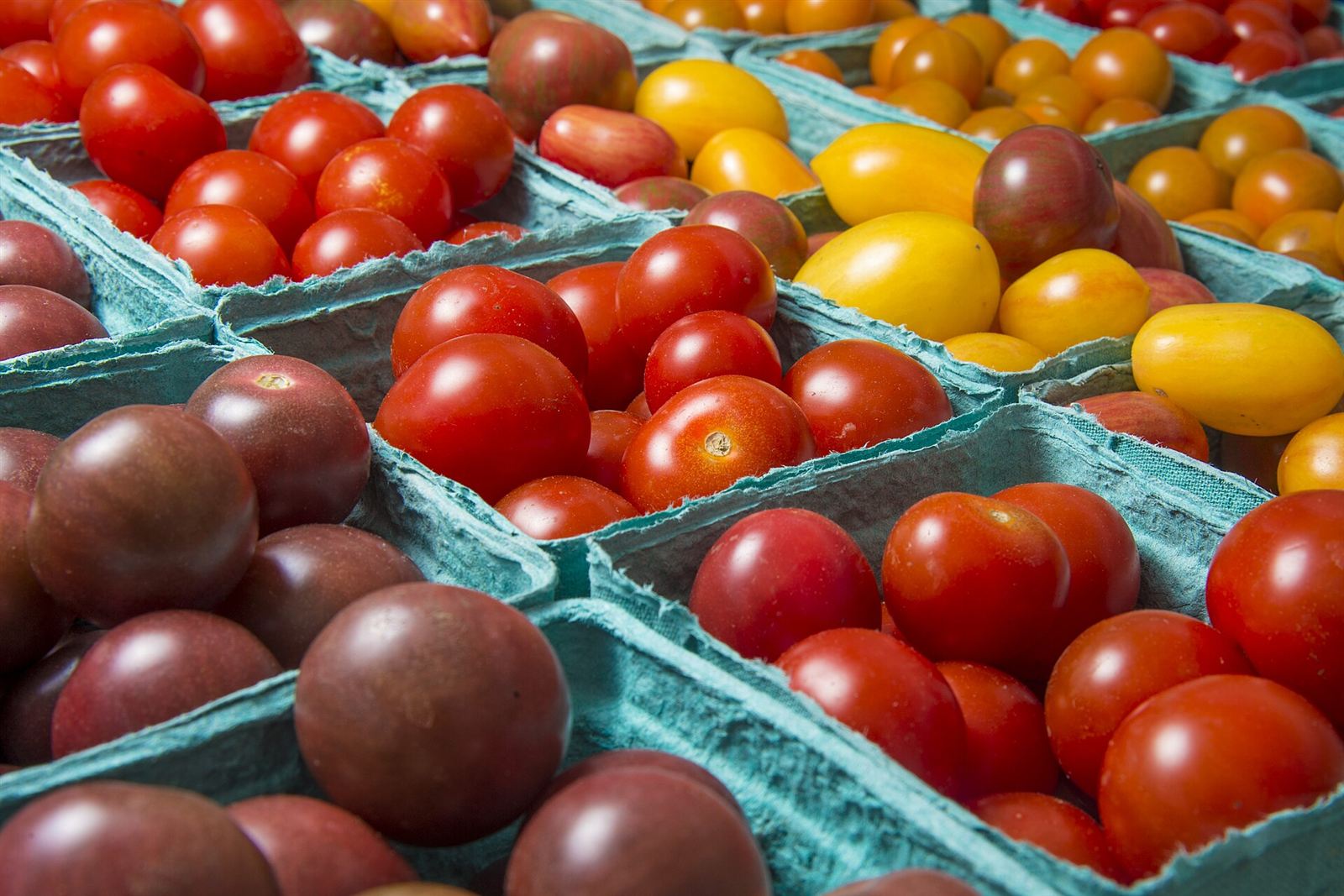
The first thing we ever put up was tomatoes, and it wasn't exactly a plan. We had far more than we could eat and we weren't set up for canning yet, so every one of them went straight into the freezer until we had the equipment. Around the same time we started air-drying herbs, and German thyme is the one that hooked me. I've never once seen it in a grocery store, and it's amazing with eggs and just about everything else.
Every gardener hits that same wall sooner or later. Nothing for months, and then forty pounds of tomatoes in nine days. You can only eat so much salsa. You can only leave so many zucchini on the neighbor's porch before they stop answering the door. Growing it turns out to be half the job. Keeping it is the other half, and it's the half that catches most of us flat-footed.
Start with the freezer, learn the canning rules before you buy a single jar, and treat a freeze dryer as a serious purchase, not a first step.
Quick note: this is the lay of the land, not a recipe. When you're ready to fill jars, get your times and pressures from a tested recipe at the National Center for Home Food Preservation or your state extension service. They've done the lab work so you don't have to guess.
Which method should a beginner start with?
Freezing, and it's not close. You already own the machine. It works for most of what comes out of a vegetable bed, and it's the hardest of the four to get dangerously wrong. If you only ever learn one of these, learn this one.
Drying is the gateway. Start with herbs. Tie a few stems of thyme together with string and hang them somewhere warm and airy. When the leaves crumble between your fingers, they're done. Strip them into a jar and you've got something the grocery store can't sell you.
Canning is the one your grandmother did, and the one with rules. Rows of jars on a shelf, no freezer space, no power bill. It's also the only method here that can really hurt somebody if you wing it. We'll get to that.
Freeze-drying is the new toy. Astronaut food, made from your own garden. The lightest, the longest lasting, and by a wide margin the most expensive way in.
How do you freeze garden vegetables?
Five steps. The second one is the step people skip, and it's the one that matters.
- Pick and wash. Get to them at their best, not a week later when you finally have time. Wash, trim, and cut them the way you'll want them on a Tuesday night in January.
- Blanch. A quick dunk in boiling water or steam. It feels like a pointless extra pot to wash. It isn't. The National Center for Home Food Preservation calls it a must for almost all vegetables, because it shuts down the enzymes that would otherwise spend the winter slowly ruining the flavor, the color, and the texture. Look up the time for each vegetable. Too little blanching is actually worse than none.
- Cool them fast. Straight into cold water so they stop cooking, then drain them well. Wet vegetables freeze into a brick.
- Pack and label. Freezer bags or containers, air pressed out, with the food and the date on every single one.
- Freeze flat. Lay the bags down so they freeze fast, then stand them up like files once they're solid.
Label everything. In February, every bag of frozen green looks exactly like every other bag of frozen green. You will not remember. Write it down.
What are the rules for canning safely?
Here's the thing: canning safety is really a story about acid. Acid keeps the dangerous stuff from growing. Food that doesn't have enough of it needs a lot more heat. The dividing line is a pH of 4.6.
On the safe side of the line you've got most fruits, pickles, and tomatoes with a little acid added. Those can go in a boiling water canner, which is just a big pot with a rack in it.
On the other side is nearly everything else you grow. The CDC's list of low-acid foods includes all fresh vegetables, plus meat, poultry, and fish. For those there is exactly one recommended method, and it's a pressure canner. The spores that cause botulism shrug off boiling water. It takes the higher heat you only get under pressure to deal with them.
Tomatoes are the troublemaker. Everybody thinks of them as acid, and most are, but some land just on the wrong side of the line. So they get lemon juice or citric acid added before they go in the water bath. A tested recipe will tell you how much.
And yes, that goes for the recipe card in your grandmother's handwriting too. Keep the card. Frame it, even. Then look up the tested time.
Vegetables go in a pressure canner. Every time.
What is freeze-drying, and how does it work?
A freeze dryer does something that sounds made up. It freezes your food solid, then pulls the ice out as vapor without ever letting it melt. No puddle, no cooking. What's left is the strawberry minus the water: feather-light, crunchy, and ready to take that water back when you add it.
It suits fruits, vegetables, dairy, and proteins. It doesn't suit anything high in fat or sugar, or baked goods, so the cheesecake experiment is going to disappoint you.
It is also not fast. A batch runs somewhere between 24 and 48 hours, so this is a machine that hums in the corner for a day or two while you get on with your life.
Is freeze-dried food safe?
Only if the food was safe going in. A freeze dryer is not an oven. Nothing in there ever gets hot, so whatever was living on the food when it went in is still on it when it comes out. Dried, not dead.
That changes how you load the trays. Three rules worth knowing before you start:
- Cook raw meat, poultry, and seafood all the way through before they go in.
- Skip raw eggs. Use pasteurized liquid eggs, or scramble and fully cook them first.
- Blanch or steam your vegetables, the same as you would for the freezer.
How do you store freeze-dried food, and how long does it last?
Freeze-dried food is thirsty. Leave it on the counter and it starts pulling moisture out of the air, so pack it up quickly in something airtight. Mylar bags keep out both air and light, but they need an oxygen absorber tucked inside and a proper heat seal. A vacuum sealer will carry you about two to three years. Either way: somewhere cool and dry, with a label that says what it is, whether it went in raw or cooked, and the date.
Look, I get it. The 25-year number is the reason a lot of people want one of these machines. Here's the honest version. That figure describes commercially made food, and nobody has much data on what comes out of a home unit. The extension folks who've studied it say well packed food can stay safe and stable for 10 to 15 years, and they still wouldn't eat home freeze-dried food that's more than 5 to 10 years old. That's still a long time. It's just not a time capsule.
Is a home freeze dryer worth it?
For most beginners, not yet. It's a big check to write, it takes over a good stretch of counter, and it uses more electricity than a dehydrator. Utah State has a buying guide that's worth twenty minutes before you spend anything.
I'll be straight with you: I don't own one yet. It's next. The money's saved and I'm down to deciding which one to buy. We took the slow road, freezer first and canning once we had the gear, and I'd do it in that order again.
Trust me on this one: put up one full season with a freezer and a dozen jars first. By the end of it you'll know how much food you really keep, what your family actually eats in February, and whether a machine would earn its spot on the counter.
What does a freeze dryer need from your wiring?
Since I'm shopping for one right now, this is the thing I'm sorting out before a box shows up on the porch. It's also the part the sales page skims over. A freeze dryer is not a toaster. It pulls a heavy load, and it pulls it for a day or more at a stretch.
Take the numbers Harvest Right publishes for its home machines. The small and medium plug into a regular 110-volt outlet, but they draw 13 to 15 amps at peak and 9 to 11 on average, and the company says a dedicated 15-amp circuit is required. The large runs about 13 amps, also on a dedicated 15. The extra-large peaks around 18 amps and needs a dedicated 20-amp circuit with a 20-amp outlet, the kind with the T-shaped slot.
"Dedicated" is the word that matters. It means that breaker feeds that one outlet and nothing else. Most outlets in a house share a breaker with several others. A machine pulling 11 amps for thirty hours doesn't leave room on a 15-amp circuit for the chest freezer in the same garage or the coffee maker on the same kitchen wall. The rule electricians work to is that a load running for hours shouldn't use more than 80 percent of what the breaker is rated for. That's 12 amps on a 15-amp circuit and 16 on a 20.
Here's where I land. I always lean toward a 20-amp circuit if one's available, even for a machine that says 15 will do. Utah State recommends the same for the large models. I always derate, too: never plan a circuit around the full number printed on the breaker. And then check the manual for your exact machine, because that's where the truth is.
Now the part that catches people. Freeze-drying is slow, so the folks who fall for it tend to end up wanting a second machine. Two of them can't share a circuit. Two mediums average 18 to 22 amps between them, and that's more than a 15-amp or a 20-amp breaker will carry. A second machine means a second dedicated circuit. If your panel is full, or the machines are headed for a garage or basement at the far end of the house, that's a call to an electrician and a real line in the budget.
A few more worth knowing. Utah State says to skip extension cords and power strips. Harvest Right says to leave room on each side for airflow, not to box the machine into a cabinet, and that it runs best in a room between 50 and 75°F, so a hot garage in July is working against you. The company puts the electricity at roughly $1.25 to $4 a batch, depending on the size of the machine and what you pay for power.
So before you pick a model, go look at your breaker panel. Find out which outlets are on which breaker and whether you've got an open slot. It might decide which size you buy. It's deciding mine.
Where the rules in this guide come from: the CDC and the National Center for Home Food Preservation on canning, and University of Minnesota, Penn State and Utah State Extension on freeze-drying. Electrical figures are from Harvest Right's published specifications. Check the manual for the exact model you buy.
Frequently asked questions
Can I can green beans or other vegetables in a boiling water bath?
No. Fresh vegetables are low-acid foods, and the CDC says pressure canning is the only recommended method for canning low-acid foods. A boiling water canner is for acid foods such as most fruits, pickles, and properly acidified tomatoes.
Do I have to blanch vegetables before freezing them?
For almost all vegetables, yes. The National Center for Home Food Preservation calls blanching a must for almost all vegetables to be frozen, because it stops the enzyme action that causes loss of flavor, color and texture. Use the tested time for each vegetable.
Does freeze-drying kill bacteria?
No. University of Minnesota Extension notes there is no heat treatment step in freeze-drying, so it does not kill illness-causing microorganisms. Start with clean, safe food, and fully cook raw meat, poultry and seafood before freeze-drying them.
How long does home freeze-dried food last?
Less than the 25 years often quoted, which describes commercially prepared food. Utah State University Extension says well packaged freeze-dried food can stay safe and stable for 10 to 15 years, but does not recommend eating home freeze-dried products more than 5 to 10 years after processing.
Is a home freeze dryer worth it for a beginner?
Not as a first step. Penn State Extension describes home freeze-drying systems as an expensive initial investment that takes up a lot of counter space and uses more electricity than a dehydrator. Learn to freeze and dry food first, and buy a freeze dryer once you know how much food you actually put up each year.
Can I run two freeze dryers on one circuit?
No. Each machine needs its own dedicated circuit. Harvest Right's small and medium home freeze dryers draw 9 to 11 amps on average and 13 to 15 at peak, so two of them together exceed what a 15-amp or 20-amp breaker will carry. Plan on one dedicated circuit per machine, and have an electrician add circuits if your panel doesn't have them.
There are more plain-English guides at organicgardeningcollective.com whenever you want them.
Grow more to put up
A longer season means more to preserve. Lesson 8 of the Beginner's Curriculum covers row covers, cold frames, and saving seed for next year.