Can I Plant Any Vegetables in August? 6 Crops You Can Still Sow for a Late-Season Harvest
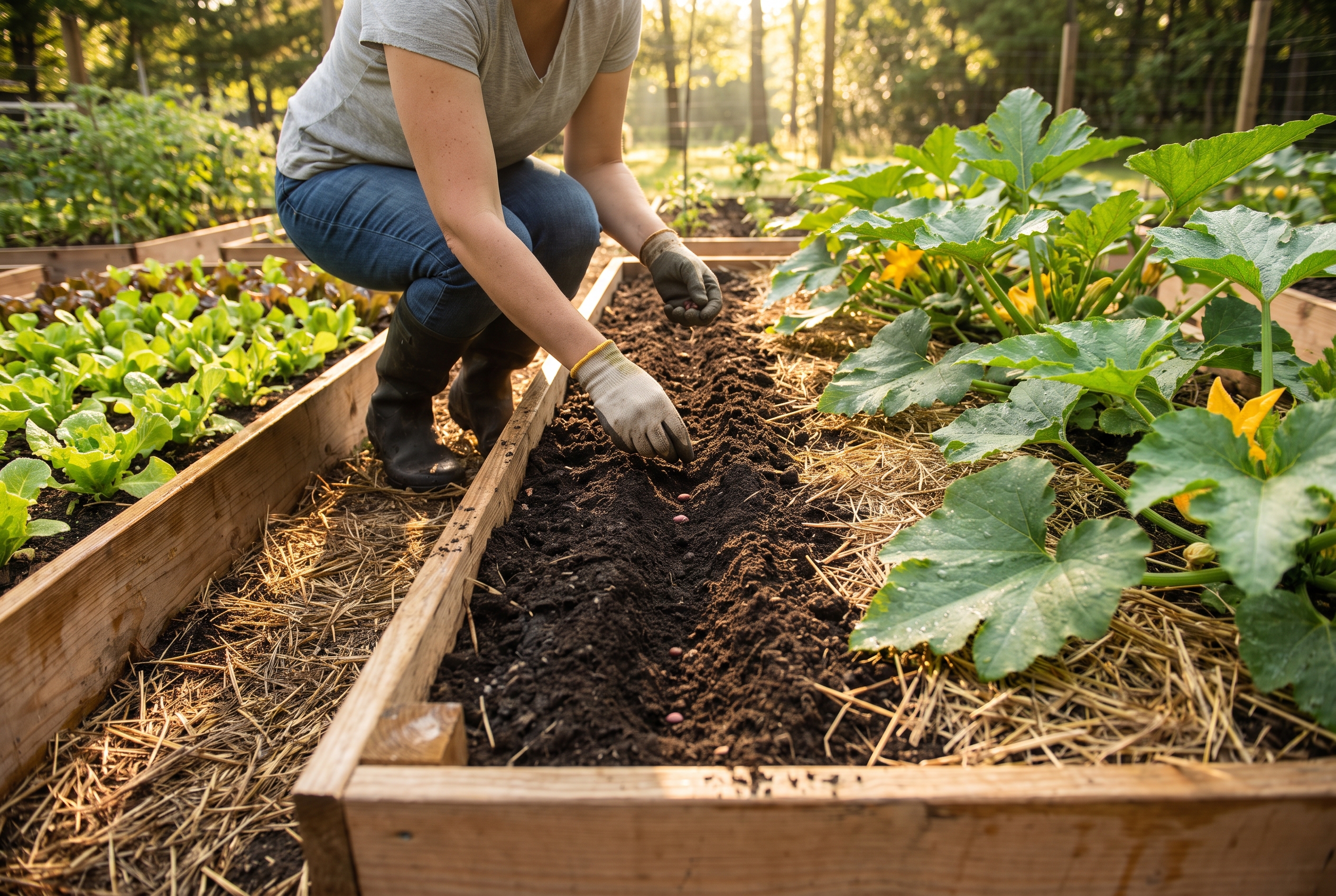
The short version: If you have at least 8 weeks before your average first frost, you can absolutely still plant vegetables in August. Bush beans, cucumbers, oakleaf lettuce, white seed potatoes, New Zealand spinach, and summer squash all mature fast enough for a real harvest before frost, and warm August soil actually speeds germination.
Over 40 percent of common vegetable varieties reach maturity in under 60 days, and that single fact should change how you think about August in the garden. The growing season isn't winding down. It's handing you a second chance.
I wasted two full Augusts early on, just staring at empty beds where the garlic and peas used to be. Figured the season was basically over. Then Sarah from Zone 6b in Kentucky emailed me last summer, feeling that same defeat. Half her raised beds sat bare. I told her to grab bush bean and lettuce seed and get after it. Six weeks later she sent a photo of a colander overflowing with green beans and a bowl of tender salad greens picked that morning.
August is not the finish line. It's a second starting gun.
Why "Days to Maturity" Is Your August Superpower
The number printed on every seed packet tells you roughly how long a crop needs from sowing to harvest. Many fast-maturing vegetables clock in at 30 to 60 days. That means an August 1st sowing can be on your dinner plate by late September or early October.
If your first expected frost lands around October 15th and a crop matures in 50 days, you can sow it as late as August 25th and still have a reasonable harvest window. In warmer zones (7 and above), you often have until mid-September or later before frost is even a concern. The math is on your side.
In our test beds here in Zone 7a, we routinely direct-sow crops through the first two weeks of August and harvest right through October. Some crops, like lettuce and spinach alternatives, actually taste better as nighttime temperatures start dropping.
How to Calculate Your Last Planting Window
- Look up your average first frost date. The USDA Plant Hardiness Zone Map and your local extension office are great resources; our zones and frost dates guide walks you through it.
- Count backward by days to maturity. Take the number on the seed packet for the crop you want and count that many days back from your frost date.
- Add a 7 to 14 day buffer. Shorter daylight and cooler fall temperatures slow growth slightly. The date you land on is your last realistic sowing date.
For example, if your first frost is October 20th and you want to grow bush beans (55 days to maturity), count back 55 plus 10 buffer days. That puts your last sowing date right around August 16th. Simple.
Crop #1: Bush Beans, the Fastest Protein-Packed Vegetable to Plant in August
Bush beans are my number one recommendation for August planting, and it's not even close. They germinate fast in warm soil, tolerate summer heat, and most varieties are ready to pick in 50 to 60 days. They also fix nitrogen in the soil, which is a nice gift to leave behind for your fall or spring crops.
Pick Varieties Bred for Speed
'Provider' is a workhorse that matures in about 50 days and handles temperature swings well. 'Contender' is another reliable pick at around 55 days. 'Royal Burgundy' adds some color to the garden and matures in roughly 55 days. All three have performed consistently in our test beds when sown in early August.
A gardener in our community in Zone 5b had great luck with 'Provider' last year, sowing on August 3rd and picking beans by the last week of September. She told me the late-season beans were actually more tender than her spring crop because the cooler nights slowed the pods from getting tough.
Spacing, Watering, and When to Start Picking
Sow seeds about 1 inch deep and 3 inches apart in rows spaced 18 inches apart. August soil is warm, so germination usually happens in 5 to 7 days. Water deeply at planting and keep the soil consistently moist (but not waterlogged) through germination. Once plants are established, aim for about an inch of water per week.
Trust me on this one: pick beans frequently once they start producing. Every bean you leave on the plant signals it to slow down. Harvest every two to three days for the heaviest yield. Neglected pods mean a lazy plant.
Crop #2: Cucumbers, One More Round of Cukes Before Fall
If you love fresh cucumbers, August gives you a shot at one more flush before the season ends. The trick is choosing the right variety and managing the heat during germination.
Go for Fast Finishers, Not Long-Season Slicers
Skip the big slicing types and reach for speed. 'Spacemaster' matures in about 56 days and stays compact, perfect for filling gaps in existing beds. 'Picklebush' comes in at around 55 days and produces heavily on short vines. 'Marketmore 76' is a classic that matures in roughly 58 days and handles heat well.
In our August vegetable garden trials, 'Spacemaster' has been the most consistent performer for late-season sowing. It sets fruit quickly and doesn't seem fazed by the shorter days of early fall.
Keeping Seedlings Cool When the Soil Is on Fire
Here's where August planting gets tricky with cucumbers. While they love warmth, soil temperatures above 95°F can actually inhibit germination. If your garden soil is baking in the afternoon sun, try this: sow seeds in the late afternoon, water thoroughly, and cover the bed with a light layer of straw mulch. You can also use shade cloth (30 to 50 percent density) propped on short stakes to cut direct sun during the hottest hours.
A gardener in our community in North Carolina shared that she starts her August cucumbers in 4-inch pots on her shaded porch, then transplants into the garden after a week. This gives seedlings a gentler start and shaves a few days off the timeline.
Keep the soil consistently moist. In August heat, that might mean watering lightly every morning. Once vines start running, deep watering every two to three days beats frequent shallow drinks.
Crop #3: Oakleaf Lettuce, the Salad Green That Won't Bolt on You
Most lettuce varieties bolt (send up a flower stalk and turn bitter) the moment temperatures spike. Oakleaf lettuce is the exception that makes August lettuce planting actually viable.
It's also a timely moment to grow your own salad greens. Just this month, the FDA and CDC linked a multistate cyclospora outbreak to contaminated shredded iceberg lettuce, with more than 1,600 reported illnesses, and Taylor Farms recalled iceberg lettuce across 27 states. When the lettuce comes out of your own bed, you know exactly where it's been.
Why Oakleaf Handles August Heat When Other Lettuce Can't
Oakleaf varieties have a natural resistance to bolting that other lettuce types simply lack. Their deeply lobed leaves handle heat stress better, staying tender and mild-flavored even when daytime highs push into the upper 80s. Varieties like 'Red Sails' (45 days), 'Salad Bowl' (40 days), and 'Royal Oak Leaf' (around 50 days) are all solid choices.
In our test beds, we've found that oakleaf lettuce sown in early August and given afternoon shade produces leaves nearly indistinguishable in quality from spring-grown lettuce. The key is that by the time the plants are putting on real leaf mass, September's cooler nights have arrived.
Stagger Your Sowings for Weeks of Salad
Don't sow all your lettuce seed at once. Instead, plant a short row every 10 days through August. This staggered approach gives you continuous harvests from mid-September well into October (or later in warmer zones). Each sowing only needs about 30 to 45 days to reach baby leaf size, so even a late August planting has plenty of time.
Sow seeds shallowly, about 1/4 inch deep, and keep the soil surface moist. Lettuce seed germinates poorly when soil temperatures exceed 80°F, so water the bed in the evening and cover it with a damp piece of burlap or a thin layer of straw until sprouts appear. Remove the covering as soon as you see green. Cool soil, happy seed.
Crop #4: White Seed Potatoes, a Surprising August Addition
This one catches people off guard. Yes, you can plant potatoes in August. Not every variety, and not in every zone. But if you choose early-maturing white potato varieties, a late summer planting can yield a nice crop of "new" potatoes before hard frost shuts things down.
Finding Seed Potatoes When Garden Centers Have Moved On
Look, I get it. Finding seed potatoes in August can be the biggest challenge, since most garden centers stop stocking them by June. Check online seed suppliers, local feed stores, or save a few small tubers from your spring harvest. Look for early-maturing white varieties like 'Irish Cobbler' (about 70 days) or 'Norland' (around 70 days). You want varieties that produce usable tubers quickly, not varieties bred for long-term storage.
Cut larger seed potatoes into pieces with at least two eyes each. Let the cut surfaces dry and callus over for a day or two before planting. This reduces the risk of rot in warm, moist August soil.
Hill Early and Hill Often
Plant seed potato pieces about 4 inches deep and 10 inches apart. The warm soil will push sprouts up fast, often within a week. As the plants grow, hill soil or straw around the stems every couple of weeks to encourage more tuber formation and protect developing potatoes from sunlight (which turns them green and toxic).
A gardener in our community in Zone 7 planted white seed potatoes on August 8th last year and dug small, tender new potatoes in mid-October. They weren't huge storage potatoes, but they were some of the best-tasting spuds she'd ever grown. The cooler soil temperatures at harvest time seemed to concentrate the flavor.
Water consistently but avoid soggy conditions. Potatoes in warm soil are susceptible to fungal issues, so good drainage is essential. Wet feet, rotted tubers.
Crop #5: New Zealand Spinach, the Heat-Loving Green That Actually Cooperates
If you've tried planting regular spinach in August, you already know the result: immediate bolting and bitter, useless leaves. New Zealand spinach (Tetragonia tetragonioides) is a completely different plant that happens to taste and cook like true spinach, but it actually thrives in heat.
Not Really Spinach, But Your Taste Buds Won't Care
New Zealand spinach is not related to true spinach at all. It's a sprawling, succulent-leafed plant native to coastal regions of New Zealand, Australia, and parts of South America. Unlike true spinach, it loves warm temperatures and keeps producing tender greens through the hottest days of late summer. It doesn't bolt in heat. It just keeps spreading and growing more harvestable leaf tips.
The flavor is mild and slightly earthy, very similar to traditional spinach when cooked. The leaves are thicker and slightly more succulent, which makes them hold up well in stir-fries and sautés.
Soak, Sow, and Start Snipping
The seeds have a hard coat, so soak them in warm water for 12 to 24 hours before planting. Sow about 1/2 inch deep and 12 inches apart. Give the plants room because they spread. In our test beds, a single plant can cover a 2-by-2-foot area by the time fall arrives, which is something you really want to plan for when you're deciding where to tuck these in.
Harvest by snipping the top 3 to 4 inches of each stem. The plant responds by branching and producing even more growth. It's a cut-and-come-again green that keeps going until frost finally kills it.
A gardener in our community in Georgia has been growing New Zealand spinach as her primary summer green for three years. She sows a fresh round in early August each year and harvests continuously from September through November. She calls it "the spinach that actually cooperates." Hard to argue with that.
Crop #6: Summer Squash, Fast Fruit and Fewer Vine Borers
Summer squash is one of the fastest-producing vegetables you can grow, and an August planting comes with a surprising bonus: you often dodge the worst of the squash vine borer damage.
Varieties That Mature in Under 60 Days
Stick with summer squash types (not winter squash, which need much longer). 'Black Beauty' zucchini matures in about 50 days. 'Early Prolific Straightneck' comes in at around 50 days. 'Pattypan' or scallop squash varieties often mature in 45 to 55 days. Any of these can be sown in early August and produce harvestable fruit before frost in most zones.
In our August vegetable garden, we've had the best results with 'Black Beauty' zucchini. It germinates quickly in warm soil and starts producing fruit at a pace that's almost hard to keep up with.
The Vine Borer Timing Advantage You Didn't Know About
Here's the thing: the squash vine borer, which devastates spring-planted squash across much of the eastern United States, typically finishes its egg-laying cycle by mid-July to early August. By the time your August-sown squash plants are up and growing, the worst of the vine borer pressure has passed. Late planting is strategy, not desperation.
You'll still want to watch for squash bugs and powdery mildew. Inspect the undersides of leaves regularly for clusters of bronze-colored eggs and crush them. For powdery mildew, good air circulation and avoiding overhead watering go a long way. If mildew does appear, a diluted spray of neem oil or a baking soda solution (1 tablespoon per gallon of water) can slow its spread.
Essential Tips for August Germination Success
Getting seeds to germinate well in August heat requires a slightly different approach than spring sowing. The soil is warm (which most seeds like), but it can also dry out rapidly and get hot enough to inhibit germination for certain crops.
Moisture Is Everything Right Now
The single most important factor for August germination success is consistent moisture. Seeds that dry out even once during the germination process often fail. Water your seed beds lightly every morning, and again in the late afternoon if the soil surface looks dry. Avoid heavy midday watering, which can create a steam-bath effect in hot soil.
Shade cloth is your best friend in August. A simple frame made from PVC pipe or wooden stakes with 30 to 50 percent shade cloth draped over it can drop soil surface temperatures by 10 degrees or more. Remove it once seedlings are established and growing strongly.
Mulch Smart, Water in the Evening, and Keep Row Covers Handy
Apply a thin layer (1 to 2 inches) of organic mulch like straw, shredded leaves, or untreated grass clippings around seedlings once they're a couple of inches tall. This keeps roots cool, retains soil moisture, and suppresses weeds; our mulching guide covers the details. Quick note: don't mulch directly over ungerminated seeds. They need light and air movement to sprout properly.
A gardener in our community in Tennessee shared a trick that's worked well for us too: she waters her August seed beds in the evening rather than the morning. The logic is that overnight moisture gives seeds a long, cool soak before the heat returns. In our own trials, we've seen noticeably better germination rates with evening watering compared to morning-only watering during August.
As the season progresses into September and October, lightweight row covers can extend your harvest by protecting plants from early frosts. These breathable fabric covers trap a few degrees of warmth and can buy you an extra two to three weeks of growing time; see our season extending guide for how to set them up. A $15 row cover paying for itself in October tomatoes and November lettuce is about as good a deal as gardening gets.
Grab Your Seed Packets and Get After It
August is far from the end of your growing season. Bush beans, cucumbers, oakleaf lettuce, white seed potatoes, New Zealand spinach, and summer squash can all go into the ground right now for a productive late-season harvest. Choose fast-maturing varieties, keep seed beds consistently moist, and provide shade during peak afternoon heat.
Don't let those empty beds sit idle. Every day of warm soil and sunshine is an opportunity to grow more food. Grab your seed packets, check your frost dates, and get planting.
Frequently asked questions
Is it too late to plant vegetables in August?
No. If you have at least 8 weeks before your average first frost, you can still sow fast-maturing crops in August. Many vegetables mature in 30 to 60 days, so an August 1st sowing can be on your plate by late September or early October.
What is the fastest vegetable to plant in August?
Bush beans are the top pick. Varieties like 'Provider' (50 days) and 'Contender' (55 days) germinate in 5 to 7 days in warm August soil, tolerate summer heat, and fix nitrogen in the soil for next season's crops.
Will lettuce bolt if I plant it in August?
Most lettuce will, but oakleaf varieties like 'Salad Bowl' (40 days) and 'Red Sails' (45 days) resist bolting and stay tender even in upper-80s heat. Sow a short row every 10 days, keep the surface moist, and by the time leaves put on real mass, cooler September nights have arrived.
Can I really plant potatoes in August?
Yes, if you choose early-maturing white varieties like 'Irish Cobbler' or 'Norland' (about 70 days). Plant pieces 4 inches deep, hill soil around the stems as they grow, and you can dig tender new potatoes in mid-October before hard frost.
Know your frost date cold
Every date in this guide starts from your average first frost. Lesson 1 of the Beginner's Curriculum shows you how to find yours and what your zone really means.