What to Do With Fall Leaves: Leaf Mold and Free Winter Mulch
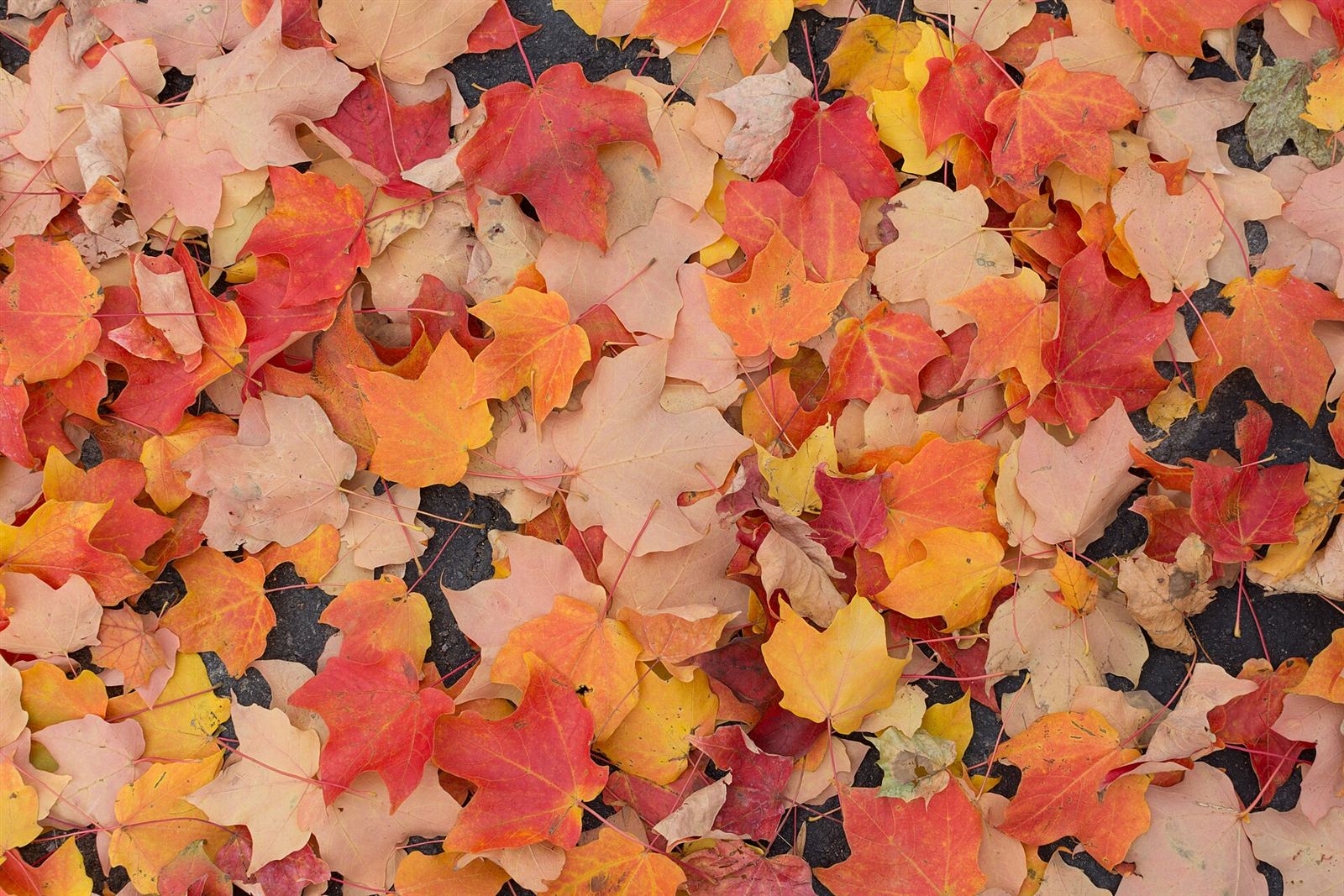
The short version: Don't bag your fall leaves. Shred some with the lawn mower and pile them up to make leaf mold, a free soil amendment that's ready in about 6 months. Rake the rest onto your garden beds as winter mulch, about 2 inches deep and pulled back from plant stems.
In 2018, American landfills took in about 10.5 million tons of yard trimmings, the EPA's category for grass clippings, brush, and leaves. Ten and a half million tons of the best free garden material there is, and a good share of it left somebody's yard in a paper bag in November.
Before I was a gardener, I did the right thing by accident, and for the wrong reason. I had a decorative bed I couldn't stand. Fussy little thing, right out where everybody could see it. So one fall I fired up the leaf blower and buried it. Every leaf in the yard, piled high, on purpose. I figured I'd smother the whole mess and be rid of it by spring.
Spring came. So did every single plant in that bed, greener and happier than I'd ever seen them. I hadn't killed a thing. I'd tucked that bed in for the winter and didn't have the sense to know it. That was my first lesson in mulching, and I learned it while trying to commit a crime against landscaping.
Most of us were taught the same fall routine. Rake, bag, drag it to the curb, stand back and admire the lawn. Then spring comes around and we drive to the garden center and pay good money for bags of mulch and bags of soil amendment. We throw it out in November and buy it back in April. Look, I get it. A clean lawn feels like a finished job.
A bag of leaves at the curb is a bag of next year's soil that you gave away.
Why keep your fall leaves?
Three reasons, and the first two put money back in your pocket.
They turn into soil. Pile leaves up, leave them alone, and they rot down into something called leaf mold. Penn State Extension calls it an excellent soil amendment, and it helps your soil hang on to water, which you'll be glad of come August.
They're free mulch. A blanket of leaves does the same job as the bagged stuff you'd otherwise haul home in the trunk. Our mulching guide covers why that blanket matters so much over winter.
They're where next year's butterflies are sleeping. This is the one that surprises people. According to the Xerces Society, most butterflies and moths don't fly south. They spend the winter right there in your yard as an egg, a caterpillar, a chrysalis, or an adult, tucked down in the leaf litter. Bag the leaves and you're bagging them too.
What is leaf mold?
Leaf mold is compost's lazy cousin. Compost is a recipe: greens, browns, ratios, turning. Leaf mold is one ingredient and a lot of waiting. What you end up with is dark and crumbly and smells like a walk in the woods.
Quick note: it isn't high in nutrients, so don't think of it as fertilizer. Think of it as a sponge, and a good home for the life in your soil.
How do you make leaf mold?
Here's the thing: this is the easiest project in the whole garden. If you can make a pile, you can make leaf mold.
- Gather the leaves. Rake them off the lawn, the paths, and the driveway. Leave out anything from a plant that was diseased this year. That goes in the trash.
- Shred them if you're in a hurry. Run the lawn mower over the pile a couple of times. Shredded leaves are ready in about 6 months. Whole ones take 9 to 12.
- Pile them up. A plain heap in a back corner works. So does a simple ring of wire fencing if you like things tidy.
- Wet the pile. Water it as you build it. Dry leaves will sit there looking at you until spring.
- Wait. This is most of the work. Turn it now and then and keep it damp if you want it sooner. A pile of whole leaves that nobody touches can take around two years, and it still gets there.
- Use it. When it's dark and crumbly, spread it on your beds or work it into the soil.
Shred the leaves you want to rot fast. Leave whole the ones you want to shelter something.
No mower? No problem. Whole leaves still turn into leaf mold. They just take their time about it, 9 to 12 months instead of 6. Pile them, wet them, and forget about them until next fall.
How do you use leaves as winter mulch?
Rake them straight onto your empty vegetable beds and in around your shrubs and trees. That's the whole job. A 2-inch layer of shredded leaves on a bed in fall is a soft brown mulch by spring.
Two rules. Keep it to about 2 inches, and pull it back from plant stems and tree trunks so they stay dry. Trust me on this one: mulch piled up against a stem is the most common mulching mistake there is, and it's an easy one to skip.
Should you shred leaves or leave them whole?
Both, in different places.
Shredding makes soil faster. But a mower doesn't know the difference between a leaf and a chrysalis. The Xerces Society points out that shredded leaves don't give insects the same cover as whole ones, and that mowing can destroy the eggs, caterpillars, and cocoons hiding in them.
So split the job. Shred what lands on the lawn and send it to the leaf mold pile. Rake the rest whole into your beds and around the base of your trees, and leave it be until spring. Soil in one corner, butterflies in the other.
What about leaves on the lawn?
A light covering can stay right where it fell. Run the mower over it and the pieces break down and feed the grass. A heavy layer is a different story. Rake that off and put it to work on your beds or in the pile.
Where the facts in this guide come from: the EPA on yard trimmings, University of Illinois Extension and Penn State Extension on leaf mold and mulch, and the Xerces Society on overwintering insects.
Frequently asked questions
How long does leaf mold take to make?
Shredded leaves are ready in about 6 months, and whole leaves take 9 to 12 months, according to University of Illinois Extension. A pile of whole leaves that is never watered or turned can take around two years. Shredding, watering, and turning are what speed it up.
Do I have to shred leaves to make leaf mold?
No. Whole leaves turn into leaf mold on their own, just more slowly. Shredding with a lawn mower cuts the time from 9 to 12 months down to about 6.
Is leaf mold the same as compost?
No. Compost is a mix of nitrogen-rich greens and carbon-rich browns. Leaf mold is made from leaves alone. It is not high in nutrients, but it is an excellent soil amendment that helps soil hold water.
Can I leave fallen leaves on my lawn?
A light covering, yes. Run the lawn mower over it and the pieces will break down and feed the lawn. Rake a heavy layer off the grass and use it on your beds or in a leaf pile.
Do fallen leaves help butterflies and other insects?
Yes. According to the Xerces Society, most butterflies and moths do not migrate. They spend the winter as an egg, caterpillar, chrysalis, or adult, and use leaf litter for cover. Leaving some leaves whole in garden beds and around trees protects them.
There are more plain-English guides at organicgardeningcollective.com whenever you want them.
Tuck your beds in for winter
Leaves are the cheapest mulch you'll ever use. Lesson 5 of the Beginner's Curriculum covers how deep to mulch, what to keep it away from, and why it matters over winter.