Countdown to Spring, Part 1: Walk the Garden and Write Down What This Year Taught You
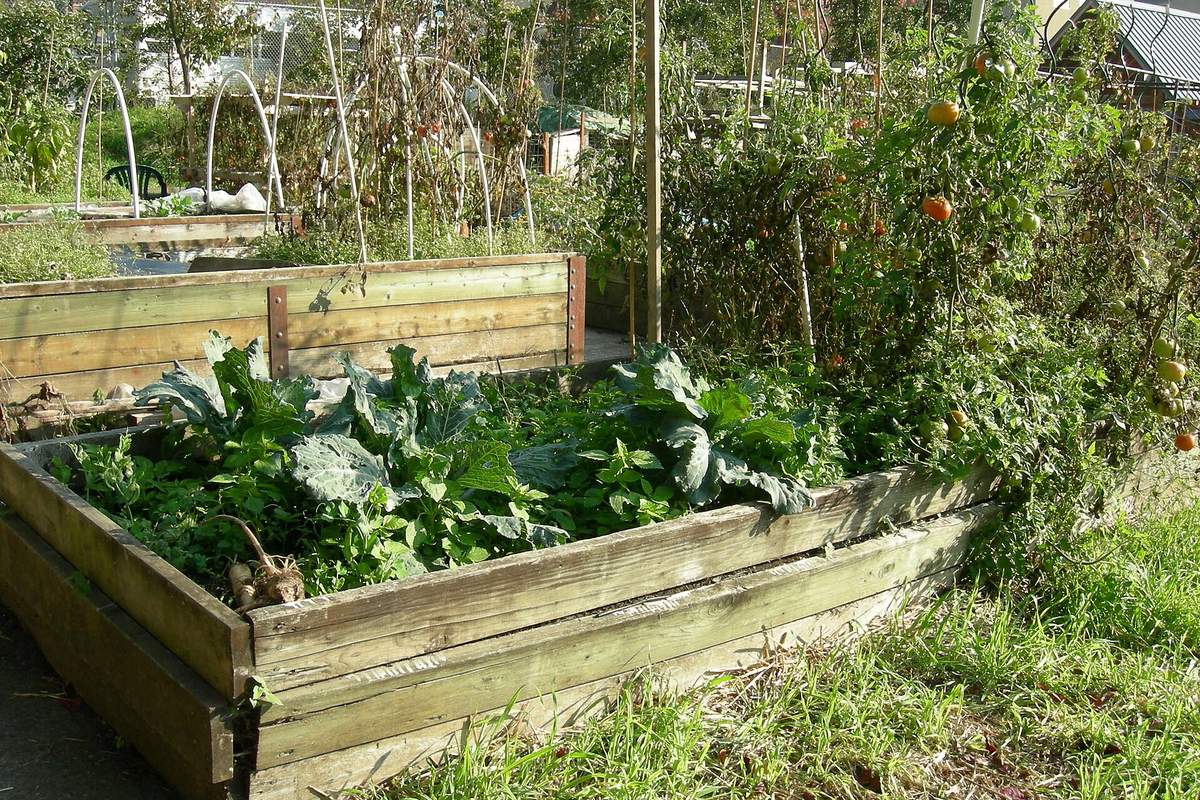
The short version: Before winter flattens the garden, walk it once with a notebook. Sketch the beds, mark where every crop grew, and write a few honest words beside each one: how it did, whether you ate it, and what you'd change. One page is enough. Every plan you make between now and planting day starts from that page.
This is the first of twelve weekly jobs I'm calling Countdown to Spring. Each one is small. Done in order, they carry you from a tired fall garden to planting day with a plan, the right seeds, and seedlings ready to go out. This week costs nothing and takes one walk.
I could have sworn I'd disconnected one of my hoses and put it away. I hadn't. It froze, and I blew that hose out. That's exactly the kind of thing this walk is for.
What is Countdown to Spring?
Twelve jobs, one a week. None of them is hard. The order matters, because each one hands something to the next.
- Week 1: Walk the garden and write down what this year taught you.
- Week 2: Draw next year's garden map.
- Week 3: Order seeds without overbuying.
- Week 4: Send a soil sample to the lab.
- Week 5: Set up a seed starting station.
- Week 6: Build your sowing calendar from the last frost date.
- Week 7: Clean, sharpen and fix your garden tools.
- Week 8: The first sowings: onions, leeks and peppers.
- Week 9: Pot up and feed the seedlings.
- Week 10: Wake the beds with compost and mulch, no digging.
- Week 11: Harden off the seedlings.
- Week 12: Planting day and the first two weeks.
To keep it concrete, I'll follow one made-up garden the whole way through. Our example gardener just finished their first full season. They have two raised beds, each 4 by 8 feet, and five pots on a patio. Bed A gets full sun all day. Bed B is shaded by a fence from about 3 in the afternoon.
Why do this now and not in spring?
Because right now the garden is still telling the truth. The stakes are where the tomatoes were. The bare patch in the carrot row is still bare. In a few weeks it'll all be flat and brown, or under snow, and one bed will look like any other.
Your memory goes the same way. An extension agent in Maryland wrote a whole column about this, calling herself a forgetful gardener. Every year she figures she'll remember what she put where and which tomatoes she liked, and every year she doesn't. A University of Vermont Extension Master Gardener put it plainly: you won't remember the specifics next year, but your journal will.
Seed catalogs make it worse. Everything in them looks like a good idea. A page of notes in your own handwriting is the only thing in the house that knows you didn't eat the radishes.
What should you write down?
Less than you think.
- Where everything grew. NC State Extension calls a map of beds and plantings essential, because you can't move crops around next year if you don't know where they were this year. University of Wisconsin Extension says ideally tomatoes shouldn't go back in the same spot for at least three years, and that following tomatoes with peppers doesn't count as moving them. They're the same family.
- How each crop did. NC State suggests three things: yield, eating quality, and disease resistance. For lettuce, add whether it held up in heat or bolted.
- What went wrong. Pests, disease, anything that died, and roughly when. If something looked sick, say which bed. Our pest control guide can help you put a name to it.
- How much was too much. An NDSU Extension agent wrote that she planted nine tomato plants, which was way too many for her house, and that two zucchini plants were more than she wanted.
- The frost that ended it. Vermont Extension suggests recording your own first and last frost each year, so over time you learn your yard and not just the average. If you don't know your averages yet, look up your zone and frost dates. Our example gardener's are May 1 and October 15. Yours will be different, so use your own.
How do you do the walk?
Pick a dry afternoon. Take a notebook, a pencil, and nothing else. Leave the pruners inside or you'll start tidying and never write a word.
- Sketch the beds and pots. A rough box for every bed, a circle for every pot. Rough pencil on any paper is fine.
- Mark where every crop grew. Write each crop inside the bed or pot it grew in. If you never recorded this during the season, now is the time.
- Note how each crop did. How much it gave you, how it tasted, and any pest or disease trouble.
- Write down what you ate. What you ran out of, what you had too much of, and what nobody touched.
- Note sun, shade and water. Where the shade falls and when. Which pots dried out or got forgotten.
- Start a wish list. What you want to grow, the tools you wished you had, and anything you want to pull out and replace.
- Date it and keep it. Put the date on the page and put the page where you'll find it next week.
Write a few more words than you want to. An Illinois Master Gardener admitted her own notes read "carrots-yes" and "beets-deck," and that she couldn't make sense of them later. "Carrots patchy, half the row never came up" takes five more seconds and still means something in February.
What does a finished page look like?
Here's what our example gardener wrote.
- Bed A, full sun all day: three zucchini plants swallowed the whole bed.
- Bed B, fence shade from about 3: tomatoes sulked. Lettuce bolted in June.
- Did well: bush beans.
- Patchy: carrots.
- Grew it, never ate it: radishes.
- Pots: basil by the back door thrived and got used every week. Peppers at the far end of the patio got forgotten and dried out.
- Ran out of: tomatoes. Wanted more.
That's the whole page, and look how much is on it. The crop that wants the most sun was in the shadier bed. University of Minnesota Extension says tomatoes require full sun, and Bed B loses its sun at 3. The best real estate in the garden went to three plants of something one plant could have covered.
The pots say something too. The one by the door got watered and picked because they walked past it every day. The one at the far end got neither. Pots dry out much faster than beds, which our watering guide covers, so a pot you don't walk past is a pot in trouble.
Write down what happened. Deciding what to do about it is next week's job.
What do you do with the notes?
Keep them somewhere you can't lose them. Tape the page inside a kitchen cabinet, or take a picture of it with your phone. You'll remember more over the next few days. Add it.
While you're out there, if any plants were diseased, pull them and get them out of the garden. University of Wisconsin Extension recommends cleaning up diseased crops in fall so the problem doesn't carry over. Healthy leaves are a different story, and they're worth keeping.
Next week: you'll turn this page into next year's garden map. Do it before you order a single packet, because the seed order comes right after it, and you can't know how many seeds to buy until you know what's going in each bed.
Where the facts in this guide come from: NC State Extension for the bed map and crop notes, University of Wisconsin Extension for rotation and fall cleanup, University of Vermont Extension for frost dates, University of Maryland Extension for the wish list, NDSU Extension for planting too much, University of Illinois Extension for unreadable notes, University of Minnesota Extension for tomatoes, and Tilth Alliance for timing.
Frequently asked questions
When is the best time to review the garden?
Late fall, once the harvest is mostly in and while the season is still fresh in your memory. The stalks, stakes and empty rows are still out there to remind you what grew where. By spring you will not remember it all.
What should I write down at the end of the season?
A sketch of your beds with every crop marked where it grew, then a few words on how each one did: how much it gave you, how it tasted, and any pest or disease trouble. Add what you ran out of, what you had too much of, and a wish list for next year.
Do I need a special garden journal?
No. NDSU Extension says a garden journal does not have to be pretty, or even on paper. A list on your phone or a cheap composition notebook both work. What matters is that you can find it again.
Why do I need a map of where everything grew?
Because moving crops around from year to year cuts down on disease, and you cannot move them if you do not know where they were. University of Wisconsin Extension says ideally tomatoes should not go back in the same spot for at least three years, and peppers count as the same family.
What if I did not keep any notes during the season?
Do it now from memory and from what is left standing in the beds. If you did not record where things were planted earlier, this is the time to write it down. One page this fall is enough to plan from.
Go take the walk before the weather turns.
Get your two dates before next week
Every job in this countdown is timed from your frost dates. Lesson 1 of the Beginner's Curriculum shows you how to find them in about ten minutes.