Winter Sowing in Milk Jugs: Start Seeds Outside While It's Still Snowing
The short version: Winter sowing means planting seeds in a cut-open milk jug and leaving it outside all winter. The jug works as a tiny greenhouse, the cold wakes up seeds that need it, and rain and snow do the watering. Start around the winter solstice with perennials and wildflowers, add hardy annuals through March, and save vegetables for March or April.
One gallon milk jug, three inches of potting mix, and a strip of duct tape will start a jug full of seedlings outdoors in January, with no grow light, no heat mat, and no shelf in the spare room. The part that sounds wrong is the part that makes it work: a lot of seeds won't sprout until they've been frozen and thawed a few times.
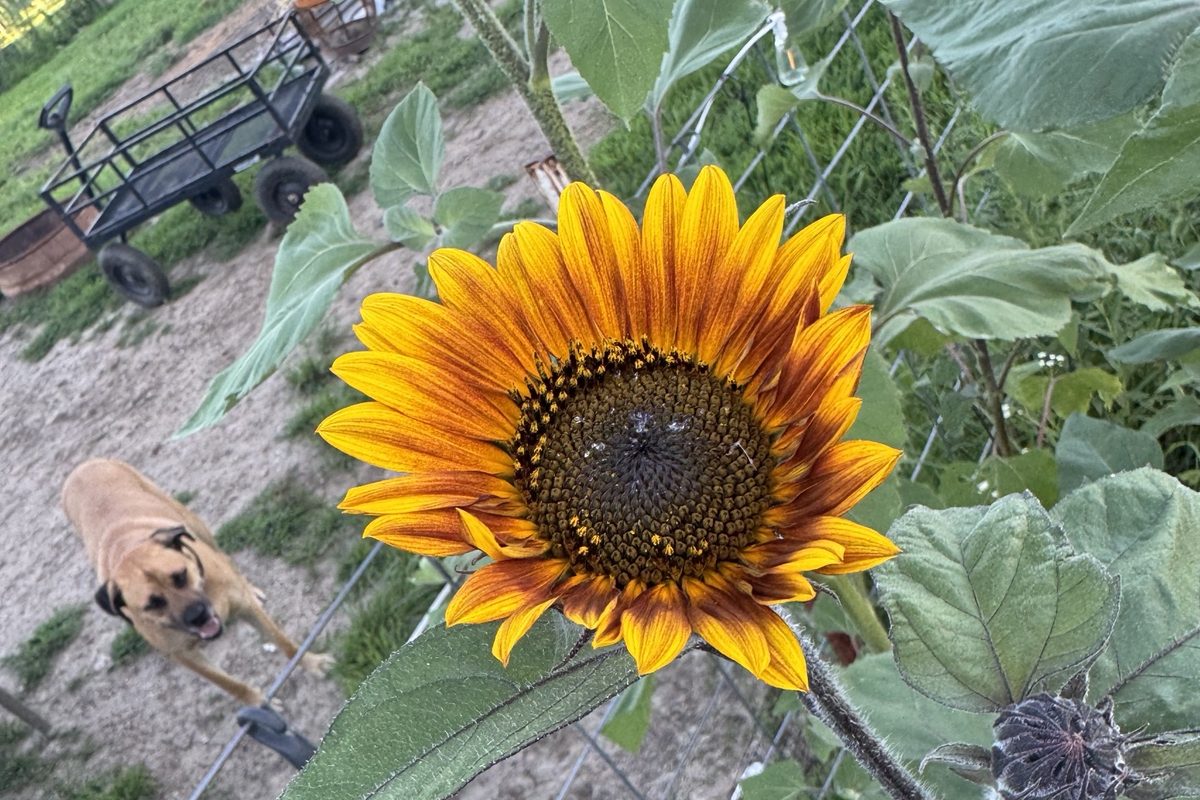
Our first year gardening on this property, we planted some sunflowers and didn't properly clean up the stalks. Everywhere one of those stalks laid on the ground all winter long, we got sunflowers. Tons of them. The biggest, craziest crossbreeds of all the different varieties I grow. I had a sunflower forest. I had to cut a path through it to get to my front door.
That's when it clicked for me. A seed head that lays on the ground all winter and comes up on its own is winter sowing. That's all it is. What you're about to learn is how to simulate it with a milk jug.
If you have never started a seed in your life, this is the easiest place to begin. There's no equipment to buy, almost nothing to water, and the worst thing that can happen is you lose a milk jug you were going to recycle anyway.
What is winter sowing?
You cut a jug nearly in half, put a few inches of potting mix in the bottom, sow your seeds, tape it shut, and set it outside. That's the whole method. Then you leave it alone until spring.
The jug does three jobs. It keeps birds and squirrels off the seed. It stops a hard rain from washing everything into one corner. And on a sunny day it holds a little warmth, like a cold frame the size of a shoebox.
Here's the thing: the seeds aren't being protected from winter. They're getting winter on purpose. Many native perennials and wildflowers have a tough seed coat and a built-in rule that says don't sprout until you've been through a long cold, wet stretch. Gardeners call that cold stratification. Indoors, people fake it with a damp paper towel in the fridge. Outdoors in a jug, the weather does it for free.
When should you start?
The tradition is to start on the winter solstice, in late December. It's a nice ritual for the shortest day of the year. It's also a guideline, not a deadline. In a warm winter, later is better.
- December and January: perennials and wildflowers that need the cold.
- Through March: hardy annuals, as long as the nights are still chilly.
- March or April: vegetables and tender annuals. They don't need a cold spell to sprout, so there's nothing gained by putting them out early.
If you don't know your frost dates yet, find your zone and last frost date first. Everything in spring counts backward from that number.
Which seeds work best?
Read the packet or the catalog listing. You're looking for phrases like "needs pre-chilling," "requires stratification," "self-sows," "reseeds," or "seedlings can withstand frost." Any of those is a seed that wants to be in a jug.
If you want a short shopping list, University of Minnesota Extension suggests five natives that pollinators love:
- Purple coneflower (Echinacea purpurea)
- Swamp milkweed (Asclepias incarnata), the one monarchs depend on
- Wild bergamot (Monarda fistulosa)
- Black-eyed Susan (Rudbeckia hirta)
- Prairie blazing star (Liatris spicata)
Look, I get it. You came here for tomatoes. Some vegetables can be winter sown, but they go out late, closer to spring. For tomatoes and the other warm-weather crops, the indoor method in our seed starting guide is still the reliable road.
How do you make a milk jug greenhouse?
Six steps and about ten minutes a jug. A gallon milk, water, or juice jug all work. You want one you can see light through.
- Wash it and lose the cap. Warm soapy water, a good rinse, and the cap goes in the trash. That open top is your vent, and it's how the rain and snow get in.
- Poke drainage holes. Several small holes in the bottom with a nail, a screwdriver, or the tip of a knife. Don't skip this one. Without drainage the jug fills up like a bathtub and the seeds drown.
- Cut a hinge. About 6 inches up from the bottom, cut three quarters of the way around and leave the part under the handle attached. Now the top flips open like a lid.
- Add 3 inches of potting mix. Bagged mix, moistened first, never soil from the garden. Garden soil packs down hard and brings weed seeds and disease along with it.
- Sow and label. Scatter the seeds and cover them lightly, the way the packet says. Then label the jug twice, once on the outside and once on a tag inside.
- Tape it and set it out. Close the lid, run duct tape around the cut, and put the jug outside where it'll get winter sun and all the weather.
Permanent marker isn't. Three months of sun and sleet will fade it to nothing, and every seedling looks the same in April. A dab of nail polish or a laundry marker holds up better. The label inside the jug is your backup.
Where do the jugs go, and what do you do all winter?
Put them somewhere sunny and out in the open. The one spot that feels right and isn't is a covered porch. The seeds need the rain and the snow, and a roof takes both away.
If your yard is windy, stand the jugs in a milk crate so they don't roll off across the lawn. If you have curious dogs or raccoons, tuck them somewhere they won't get knocked around.
And then, nothing. Snow on top of the jugs is fine. A week of hard freeze is fine. The only check worth making is a glance for condensation on the inside of the plastic. If you see it, there's moisture in there. If the jug looks dry inside, add a little water.
The hardest part of winter sowing is leaving it alone.
What happens in spring?
One day you'll look through the plastic and see green. Once sprouts show, start opening the lids on warmer days and closing them again when a cold night is coming.
Quick note: you'll read that winter sown seedlings never need hardening off, the slow introduction to outdoor life that indoor seedlings have to go through. They have lived outside from day one, so they are tougher. But the extension folks don't all agree on skipping it. I'd open the jugs a little more each week before transplanting. It costs you nothing.
Keep an eye on the mix once the lids are open, and water it if it looks dry.
When the seedlings have their second set of true leaves, they're ready to move. You can scoop them out one by one, or do what Illinois Extension suggests and cut the whole block of soil into squares like a pan of brownies. Plant each square and water it in.
Where the method in this guide comes from: University of Minnesota Extension for the plant list, timing and moisture checks, University of Illinois Extension for the jug cut, the solstice tradition and transplanting, and Penn State Extension for placement, drainage and the March or April timing for vegetables.
Frequently asked questions
When should I start winter sowing?
Tradition says to begin on the winter solstice, in late December, and later in a warm year. Perennials and wildflowers that need a cold spell go out from December through January. Hardy annuals can follow through March while the nights are still cold. Vegetables and tender annuals wait until March or April.
Do the seeds need to be watered over winter?
Usually not. With the cap off and the jug out in the open, rain and melting snow keep the mix moist. Look for condensation on the inside of the jug. If there is none and the mix looks dry, add a little water.
Will the seeds die when it freezes?
Not the right ones. Many native perennials and wildflowers need weeks of cold, wet weather before they will sprout, which is called cold stratification. Freezing and thawing through the winter is what breaks their dormancy. Tender seeds are different and go out later, in March or April.
Do I leave the cap on the milk jug?
No. Throw the cap away. The open top is the vent, and it is how rain and melting snow get in to water the seeds.
Can I winter sow vegetables?
Some of them, later in the season. Illinois Extension says some garden vegetables can be winter sown if you wait until closer to spring, and Penn State Extension puts vegetables and tender annuals in March or April because they don't need a cold period to sprout.
When do I transplant winter sown seedlings?
When they have their second set of true leaves. Open the jug on warmer days as sprouts appear so the seedlings get used to open air, then scoop them out or cut the block of soil into squares and plant each one.
Start saving jugs now. There are more plain-English guides at organicgardeningcollective.com whenever you want them.
Now start the warm-weather crops
Jugs handle the seeds that like the cold. Lesson 3 of the Beginner's Curriculum covers the indoor setup for tomatoes, peppers, and everything else that doesn't.