Seed Starting for Complete Beginners
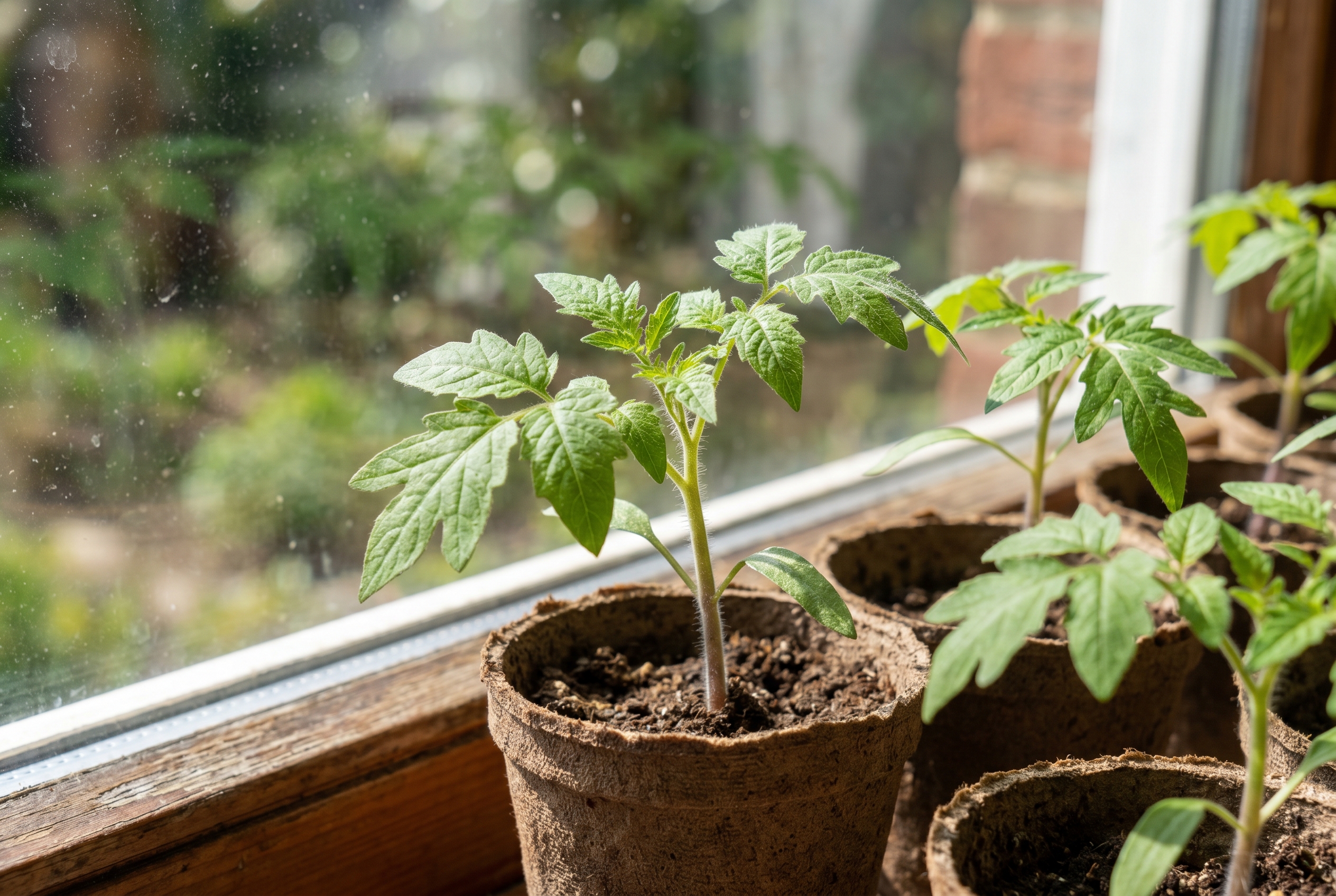
The short version: to start seeds indoors, count back 4 to 8 weeks from your last frost date, sow into clean containers filled with a light seed-starting mix (never garden soil), and keep the mix warm and damp until they sprout. The single thing beginners get wrong is light — the moment seedlings appear they need very bright light right above them, or they grow tall, pale, and floppy. Get the timing, the mix, and the light right and the rest is easy.
Starting your own seeds is the cheapest way to grow a garden, and it's far less fussy than it looks. A packet of seeds costs about the same as a single nursery seedling but gives you dozens of plants. You don't need a greenhouse or special gadgets — a sunny windowsill or a cheap shelf with a light will do. Let's walk through the whole thing so it never feels mysterious again.
When should you start seeds?
Almost all indoor seed timing works backward from one date: your average last frost date in spring. That's the point after which it's usually safe to put tender plants outside. If you don't know yours, our guide to zones and frost dates walks you through finding it for your area.
Once you have that date, count backward. Most seed packets tell you exactly how many weeks of a head start a crop wants, and it usually lands somewhere between four and eight weeks:
- 6–8 weeks before last frost: tomatoes and peppers — slow starters that benefit from a long indoor run.
- 4–6 weeks before: lettuce and many leafy greens.
- 3–4 weeks before: fast growers like squash, which resent sitting indoors too long.
Starting too early is a common beginner mistake — you end up with overgrown, root-bound seedlings stuck inside long before it's warm enough to plant them out. When in doubt, start a little late rather than a lot early.
What you actually need (a cheap setup)
Ignore the catalogues for a minute. The bare essentials are simple and inexpensive.
- Clean containers with drainage holes. Cell trays, small pots, yogurt cups, or paper pots all work — anything a few inches deep with holes in the bottom so water can escape. Wash anything reused so old soil and disease don't tag along.
- A light seed-starting mix — not garden soil. Seed-starting mix is fluffy and fine so tiny roots can push through, and it's free of the weed seeds and diseases in garden dirt. Garden soil packs down like concrete in a small pot and can rot seedlings.
- Warmth for germination. Most seeds sprout best somewhere around room temperature or a touch warmer. The top of the fridge or a warm shelf is plenty; you rarely need a heat mat.
- Strong light. This is the one that matters most. A bright south-facing window can work, but in most homes it isn't enough on its own. A cheap shop light or LED grow light hung a few inches above the seedlings is the reliable answer.
How to start seeds indoors, step by step
Here's the whole routine from packet to plant-out. None of it requires a green thumb — just a little attention each day.
- Find your last frost date and count back. Use it to pick a sowing date — 4 to 8 weeks earlier depending on the crop and what the packet says.
- Fill clean cells with moist mix. Pre-moisten your seed-starting mix in a tub until it feels like a wrung-out sponge, then fill your containers and tap them to settle.
- Sow at the right depth. Plant each seed about twice as deep as it is wide. Press large seeds (beans, squash) in a little; barely cover tiny seeds (lettuce). Drop one or two seeds per cell.
- Keep warm and moist until germination. Set the trays somewhere warm and keep the surface damp, never soggy. A loose cover or a clear lid holds humidity until you see the first sprouts.
- Give strong light immediately. As soon as anything pokes up, get it under bright light — a sunny window or a shop/LED light a few inches above the leaves, on 14–16 hours a day. Don't wait.
- Pot up and harden off. Move crowded seedlings into bigger pots as they grow, then harden them off (below) before transplanting outside once frost has passed.
If you remember one thing, make it this: the day a seedling sprouts, it needs more light than you think. Legginess is almost never a watering problem — it's a light problem.
Don't drown them. More seedlings are killed by too much water than too little. Let the surface dry slightly between waterings, water from the bottom by letting the tray soak it up when you can, and make sure every container drains. Damp-but-not-soggy is the whole game. When you pot up, our homemade compost blended into the potting mix gives them a gentle feed.
Sowing depth and keeping the mix just-moist
The depth rule is forgiving: about twice the seed's diameter. A fat bean might go half an inch down; a dust-like seed barely gets a sprinkle of mix over it, or none at all. Bury a tiny seed too deep and it runs out of energy before it ever reaches the light.
For moisture, aim for evenly damp, like a wrung-out sponge — never waterlogged. Before germination the surface should stay moist; a clear cover helps. After sprouting, ease off and let the very top dry slightly between waterings so roots reach down and fungal problems stay away.
Light: the make-or-break factor
This is where most windowsill gardens go wrong. Seedlings reaching for a weak light stretch into thin, pale, floppy stems — gardeners call this leggy, and leggy seedlings rarely recover into strong plants. A south window in mid-spring may be bright enough; north-facing or short winter days usually aren't.
The cheap fix is an ordinary shop light or an LED grow light hung just a few inches above the seedlings and raised as they grow, run 14 to 16 hours a day. Keeping the light close and the day long gives you stocky, sturdy seedlings instead of spindly ones. A small fan or a daily brush of your hand across the tops also toughens stems.
Potting up and hardening off
When a seedling has its first true leaves (the second set, which look like the real plant rather than the rounded starter leaves) and is crowding its cell, pot it up into a slightly larger container with fresh mix. This gives the roots room and keeps growth steady.
Before any seedling goes into the garden it needs to be hardened off — gradually toughened to real sun, wind, and cooler nights. Over 7 to 10 days, set them outside in a sheltered, shady spot for a couple of hours, then add time and sun each day. Skip this and a week of cosseted indoor growth can be undone by a single harsh afternoon. Once they're acclimatized and frost has passed, transplant them out.
Easy from seed — and what to sow straight in the ground
Some crops are beginner-proof to start indoors; others actually do better sown directly outside, because they dislike having their roots disturbed by transplanting.
Easy to start indoors: tomatoes, peppers, lettuce, beans, and squash. These germinate readily and transplant well, making them perfect first projects.
Better sown direct: carrots and radishes. Root crops resent being moved and are quick to germinate outdoors anyway, so sow them right where they'll grow once the soil is workable.
Frequently asked questions
When should I start seeds indoors?
Count back from your average last frost date — usually 4 to 8 weeks. Tomatoes and peppers want the longest head start (6–8 weeks); lettuce and squash need much less. Check each packet for the exact timing.
What's the best seed-starting mix?
A bagged seed-starting mix, never garden soil. It's light enough for tiny roots, drains freely, and is free of the weed seeds and diseases in garden dirt that rot young seedlings.
How deep do I plant seeds?
About twice as deep as the seed is wide. Big seeds go down half an inch or so; tiny seeds are barely covered. When unsure, plant shallower rather than deeper.
Why are my seedlings tall and floppy (leggy)?
Not enough light. They stretch toward a weak source and grow thin and pale. Move them to a brighter window or put a cheap shop/LED light a few inches above them for 14–16 hours a day.
What is hardening off?
Gradually getting indoor seedlings used to the outdoors over 7 to 10 days — short stints in shade and shelter at first, then longer with more sun and wind — so transplanting doesn't shock them.
This is Lesson 3 of your path
Seed starting is Lesson 3 of the Beginner's Curriculum. Finish it, then move on to Lesson 4 on compost. Save your progress and earn your First Harvest seal.