Estimated reading time: 4 minutes
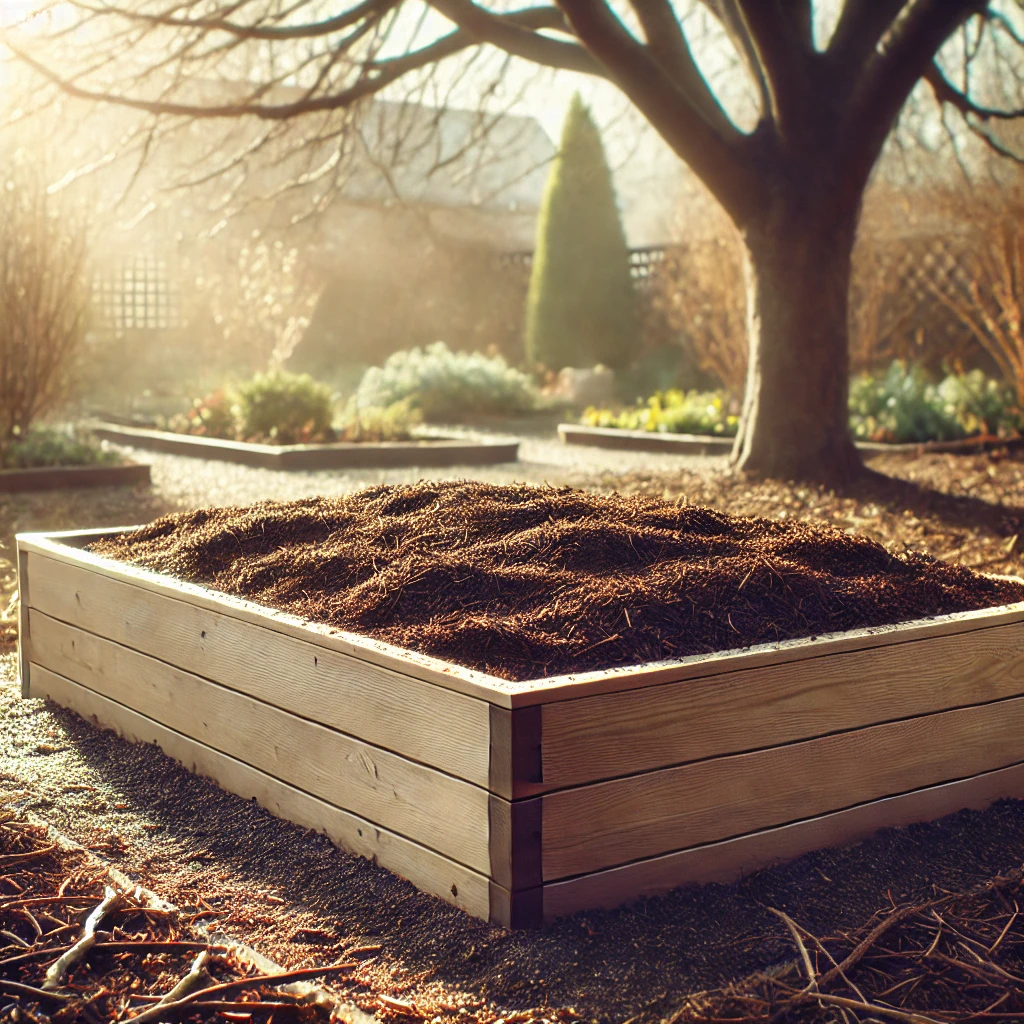
As the crisp autumn air signals the changing seasons, it’s time to prepare your garden for winter. One of the most crucial tasks is mulching. This guide will walk you through the ins and outs of fall mulching, helping you create a cozy winter blanket for your garden that will pay dividends come spring.
The Importance of Fall Mulching
Mulching in fall is like giving your garden a warm, protective hug before the harsh winter months. Here’s why it’s essential:
- Insulation: Mulch acts as a buffer against temperature fluctuations, keeping the soil more stable.
- Root Protection: It safeguards plant roots from frost damage, ensuring they remain healthy throughout winter.
- Moisture Retention: Mulch helps the soil retain moisture, reducing the risk of winter desiccation.
- Weed Suppression: A good layer of mulch can prevent spring weeds from getting a head start.
- Soil Enrichment: As organic mulches break down, they add valuable nutrients to the soil, enhancing its fertility.
💡 Pro Tip: For more on preparing your garden for fall, check out our Fall Gardening Tips for Beginners.
Choosing the Right Mulch
Organic Mulches
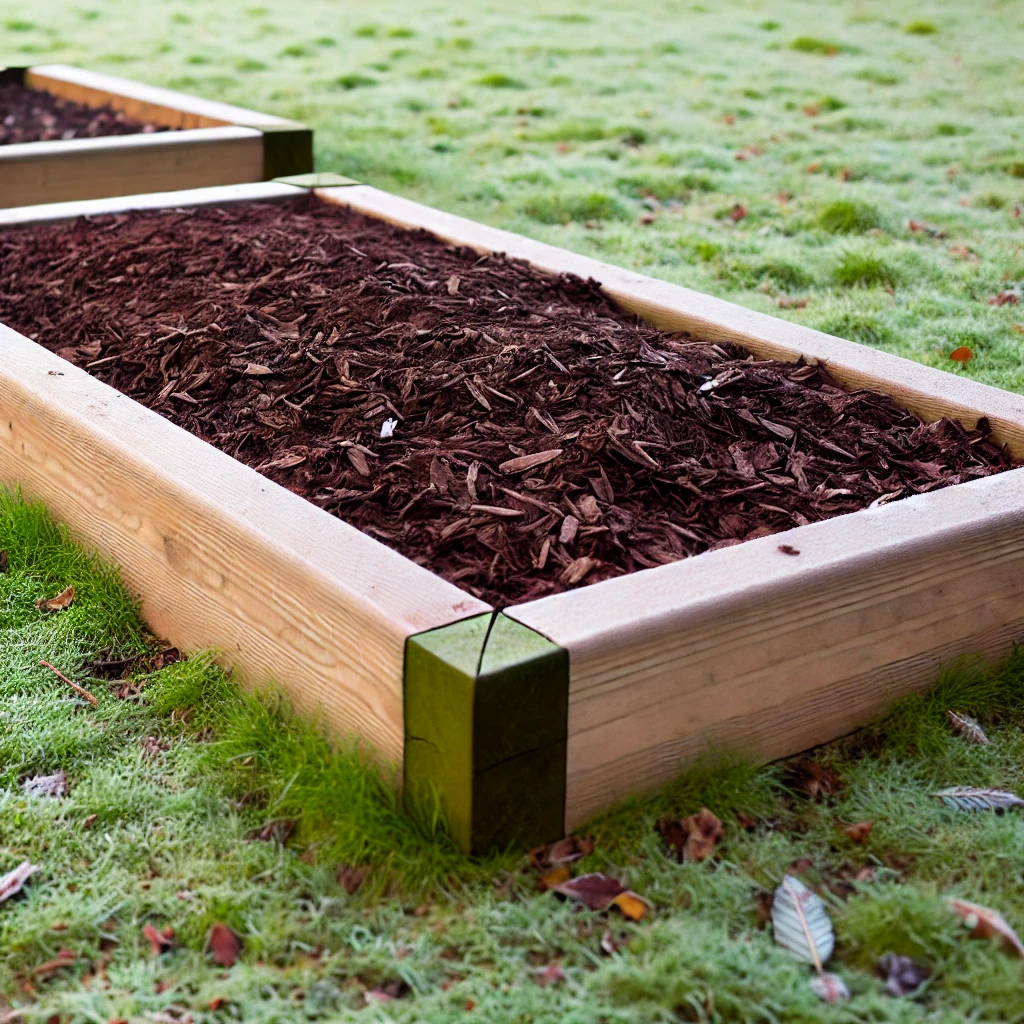
Organic mulches are derived from natural materials and offer numerous benefits:
- Types: Straw, compost, shredded leaves, wood chips, pine needles.
- Benefits:
- Break down over time, enriching the soil.
- Promote beneficial microbial activity.
- Encourage earthworm populations, improving soil aeration.
- Sustainable and often free or low-cost.
🌱 Gardener’s Note: If you’re starting a garden from scratch, our Seed Starting Guide for Beginners can help you get off on the right foot.
Synthetic Mulches
While less common for winter protection, synthetic mulches have their place in certain garden situations:
- Types: Rubber mulch, landscape fabric, plastic sheeting.
- Benefits:
- Long-lasting and low-maintenance.
- Excellent for weed control.
- Good for heat retention in specific applications.
Proper Mulching Techniques
Follow this step-by-step guide to ensure effective mulching:
- Clear the Area: Remove weeds, debris, and old mulch.
- Prepare the Soil: Lightly till or aerate if needed.
- Apply Mulch: Spread a 2-4 inch layer evenly around plants.
- Keep It Away from Stems: Leave a few inches of space around plant bases to prevent rot.
- Water Thoroughly: This helps settle the mulch and provides moisture before winter.
⚠️ Caution: Avoid the “mulch volcano” effect around trees. Instead, create a donut shape by keeping mulch away from the trunk.
Common Mulching Mistakes to Avoid
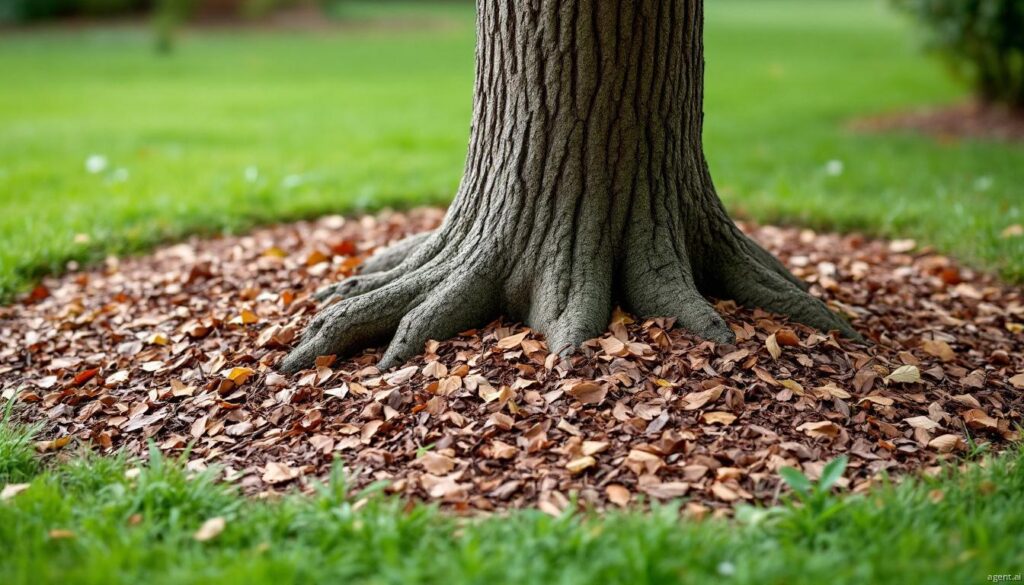
- Over-Mulching: Stick to the 2-4 inch rule to avoid suffocating roots.
- Mulching Too Close to Plants: Always leave breathing room around stems and trunks.
- Using Diseased Plant Material: This can spread problems throughout your garden.
- Forgetting to Fluff: Compact mulch can block air and water; loosen it up before applying.
Beyond Winter: Year-Round Mulching Benefits
While fall mulching is crucial, maintaining a good mulch layer year-round offers continuous benefits:
- Weed Control: Reduces weed germination and growth.
- Moisture Conservation: Minimizes evaporation, reducing watering needs.
- Soil Temperature Regulation: Keeps soil cooler in summer and warmer in winter.
- Erosion Prevention: Protects topsoil from wind and water erosion.
- Aesthetic Appeal: Gives gardens a neat, well-maintained appearance.
Conclusion
Fall mulching is more than just a seasonal chore—it’s an investment in your garden’s health and vitality. By choosing the right mulch and applying it correctly, you’re setting the stage for a thriving spring garden. Remember, a little effort now means less work and more beauty later. So grab your rake, gather your mulch, and give your garden the cozy winter blanket it deserves. Your future self (and your plants) will thank you!
Speaking of fall prep, if you’re looking to add some flavor to your garden, check out our new guide on growing garlic this fall. For more gardening tips and tricks, visit our Beginner’s Guide to Garden Transitions and start your journey to becoming a master gardener today!

Comments
7 responses to “Mulching Magic: Your Ultimate Guide to Winter Garden Protection”
[…] Not only is it easier on the tree, but caring for your new plant becomes way simpler for you. Less watering is required because of those cooler temps and autumn rains. Plus, nature’s got your back with fallen leaves acting as a built-in mulch layer. That’s free mulch, people! It helps with moisture retention and keeps roots warm over the winter. For more on how to protect your garden during the colder months, don’t miss our fall mulching guide. […]
[…] Learn more about fall mulching for winter garden protection […]
[…] Yes, definitely mulch! It keeps soil warm and reduces water loss. Just remember not to pile it against plant stems—give them some breathing room. Discover our fall mulching guide for winter garden protection. […]
[…] Moving on to privacy trees, Fast Growing Trees is renowned for quick-growing varieties. Their extensive selection provides excellent winter protection. For best results, couple their trees with proper fall mulching techniques. […]
[…] garden friends! While everyone’s busy with our fall mulching guide and growing garlic this fall, let’s bring the garden indoors. Want fresh basil for your pasta, […]
[…] Mulching Magic: Your Ultimate Guide to Winter Garden Protection […]
[…] know what’s funny? While everyone’s outside planting garlic and mulching their gardens for winter, I’m getting my indoor garden ready for its prime time! November is actually perfect for this […]