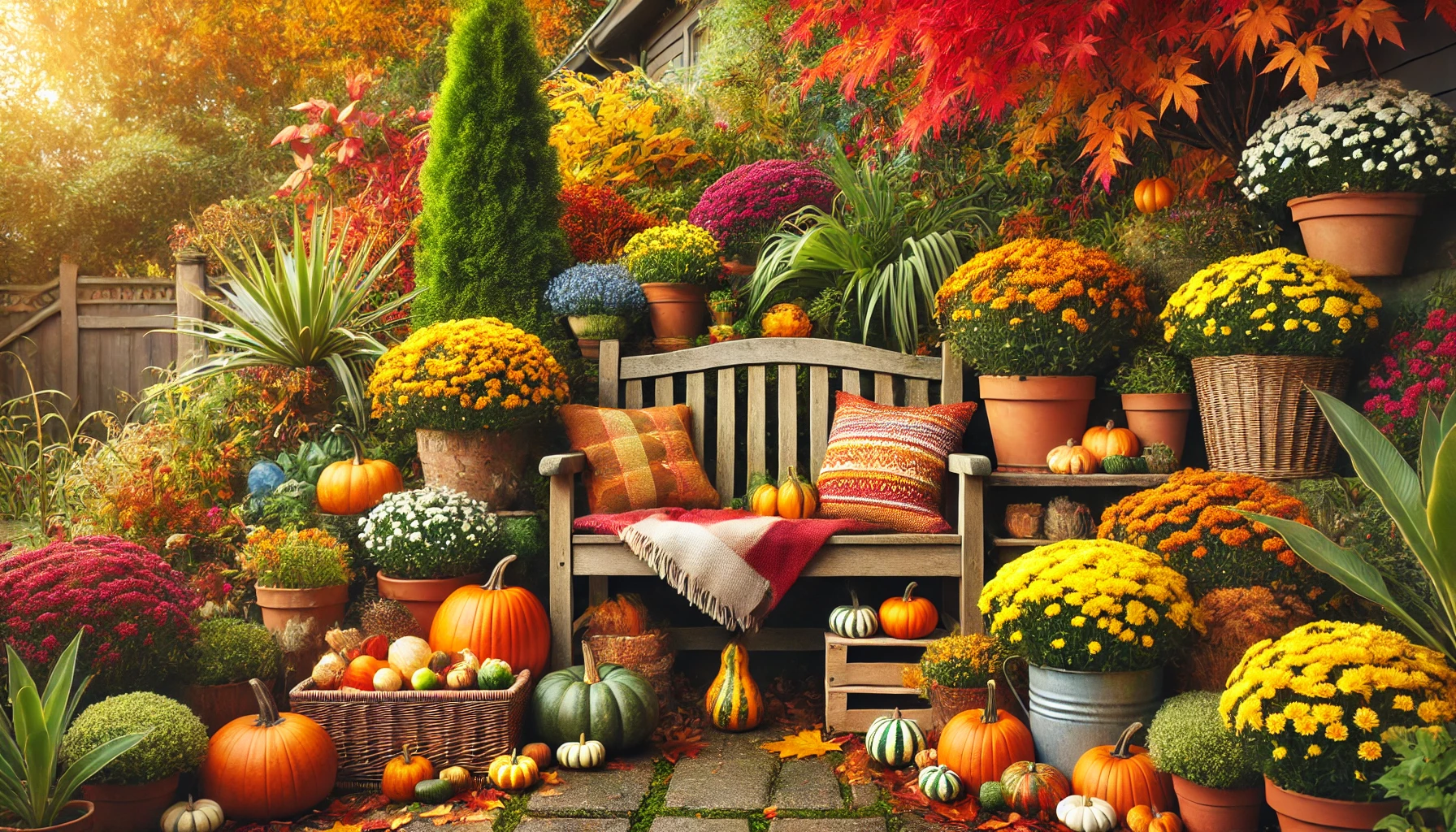
Transitioning Your Garden for Autumn Success
Estimated reading time: 4 minutes
Fall is creeping in, and if you’re anything like me, you’re torn between enjoying pumpkin spice lattes and facing the fact that your garden still thinks it’s August. Transitioning from summer to fall gardening can feel like convincing a toddler it’s bedtime—there’s resistance, a few tears, and sudden bursts of chaotic energy. However, nature moves forward whether we’re ready or not, and so does the garden.
Quick Fall Garden Clean-Up Tips
To start, keep it simple: tidy up but don’t overdo it. Fallen leaves can act as mulch, keeping soil warm and providing insects a cozy home. Additionally, clear out scraggly plants—compost healthy ones, but be sure to trash anything diseased.
Easy Cover Crops
Once you’ve finished harvesting, consider planting cover crops like clover or winter rye to prevent weeds and boost soil health. In fact, cover crops are a lazy gardener’s dream—just sow them and let them work while you relax.
Plant Fall Bulbs for Spring
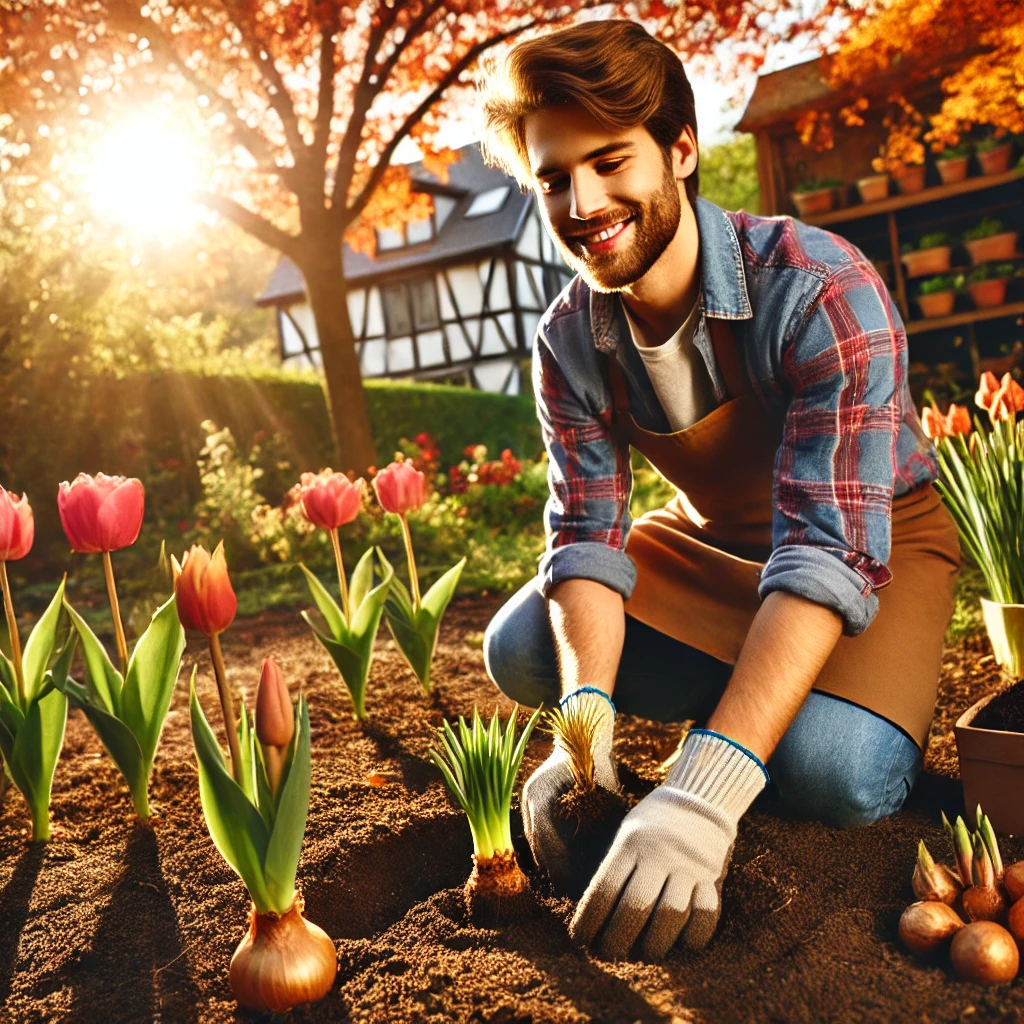
Moreover, October and November are perfect for planting bulbs like tulips, daffodils, and crocuses. Choose a sunny spot, plant them at the right depth, and if you’re in a warmer area, chill them in the fridge first.
Perennial Care
Next, cut back foliage on perennials like peonies, and apply mulch to protect their crowns. Furthermore, divide crowded perennials—your plants will thank you by thriving next year.
Should You Mulch?
Yes, definitely mulch! It keeps soil warm and reduces water loss. Just remember not to pile it against plant stems—give them some breathing room. Discover our fall mulching guide for winter garden protection.
Easy Fall Vegetables
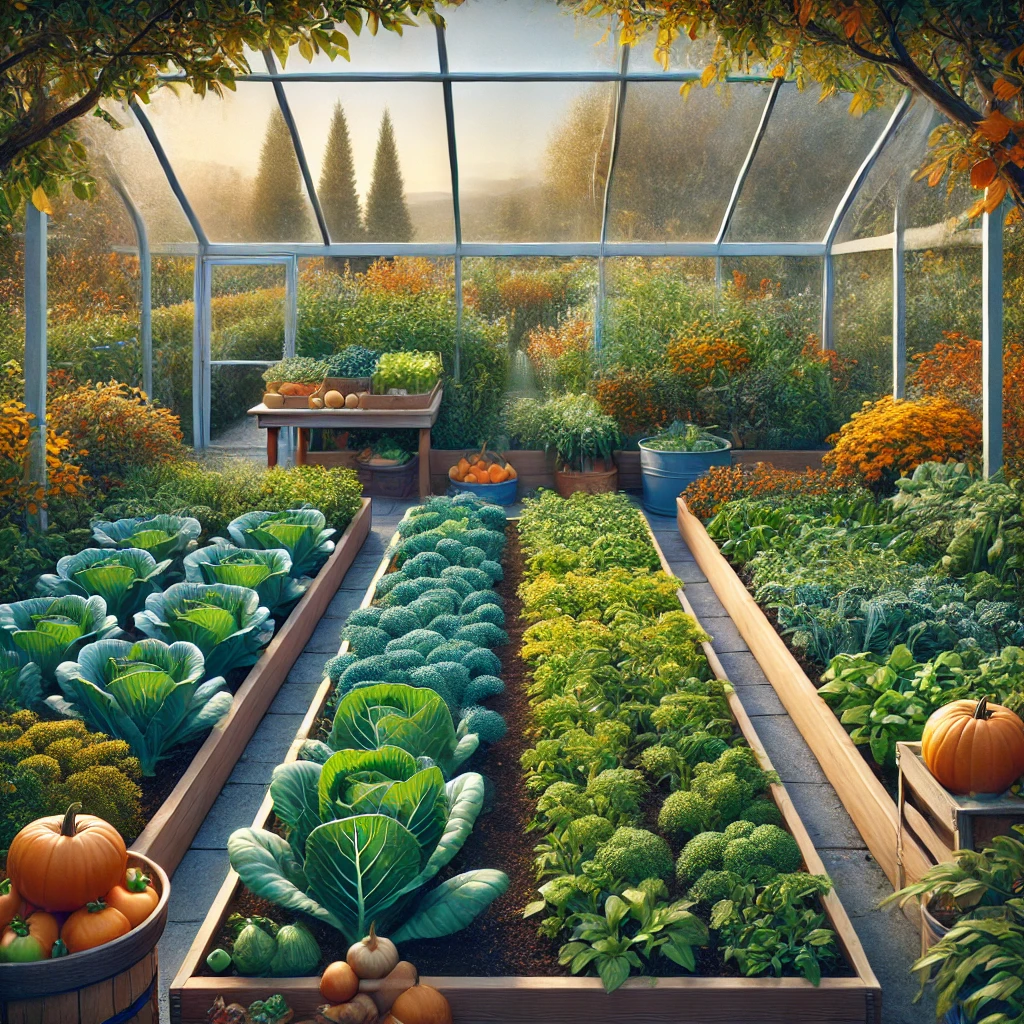
When it comes to planting vegetables, leafy greens like kale, spinach, and Swiss chard thrive in cool weather. Additionally, carrots and beets are great options if started early. Consider using a cold frame to extend the season—fresh salad greens in November? Yes, please!
Planting Trees and Shrubs
Furthermore, fall is an excellent time for planting trees and shrubs. The cool weather helps roots establish before summer heat arrives. Be sure to water until the ground freezes, and wrap young trees to protect them from critters. Find out why fall is the perfect time for tree planting.
Composting for Beginners
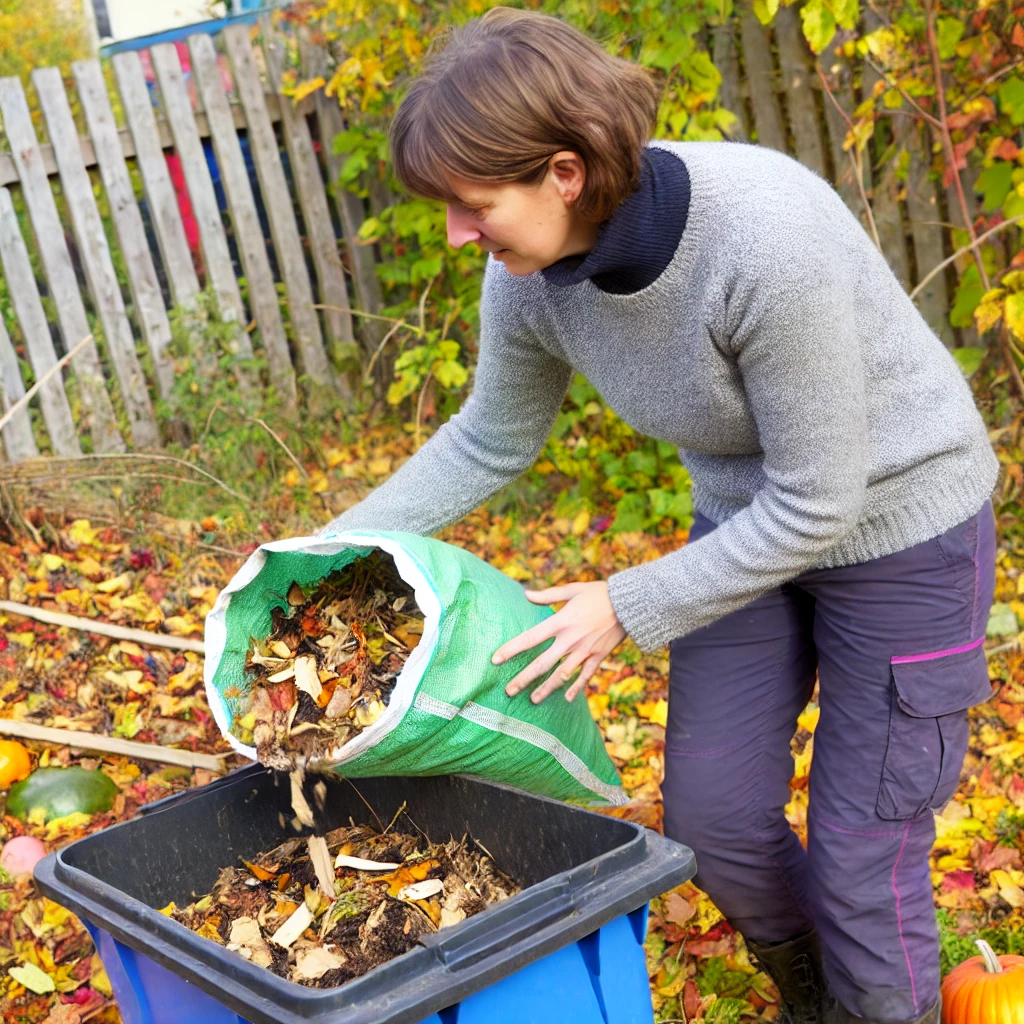
In addition to planting, fall is ideal for composting—use leaves, garden debris, and grass clippings. Mix in some kitchen scraps, turn the pile regularly, and let it transform into black gold for next spring.
Plan for Spring Success
As you wind down this season, make notes on what worked and what didn’t this year. Sketch next year’s layout to assist with crop rotation and pest control. Remember, it doesn’t need to be perfect—just enough to make spring less hectic. Explore the 10 best online tree nurseries for 2025 to plan your spring planting.
Let the Garden Rest
Ultimately, fall is about winding down. Do enough to set yourself up for spring but also let go. The garden is taking a breath, and so should you. If you’re new to gardening, start with our guide on seed starting for complete beginners.

Comments
6 responses to “Transform Your Garden This Fall: Expert Insights”
[…] without actually having to install one. Bonus, right? Speaking of fall gardening, check out our fall gardening tips for beginners for more ways to make the most of the […]
[…] First and foremost, Willis Orchards excels in fruit and nut tree varieties. Their selection benefits both novice and experienced growers alike. Additionally, it’s perfect for those expanding their fall gardening repertoire. […]
[…] Fall Garden Tips for 2024 […]
[…] with our fall gardening tips for beginners, setup matters! Here’s all you […]
[…] check out our new guide on growing garlic this fall. For more gardening tips and tricks, visit our Beginner’s Guide to Garden Transitions and start your journey to becoming a master gardener […]
[…] Discover fall gardening tips for beginners […]