Estimated reading time: 7 minutes
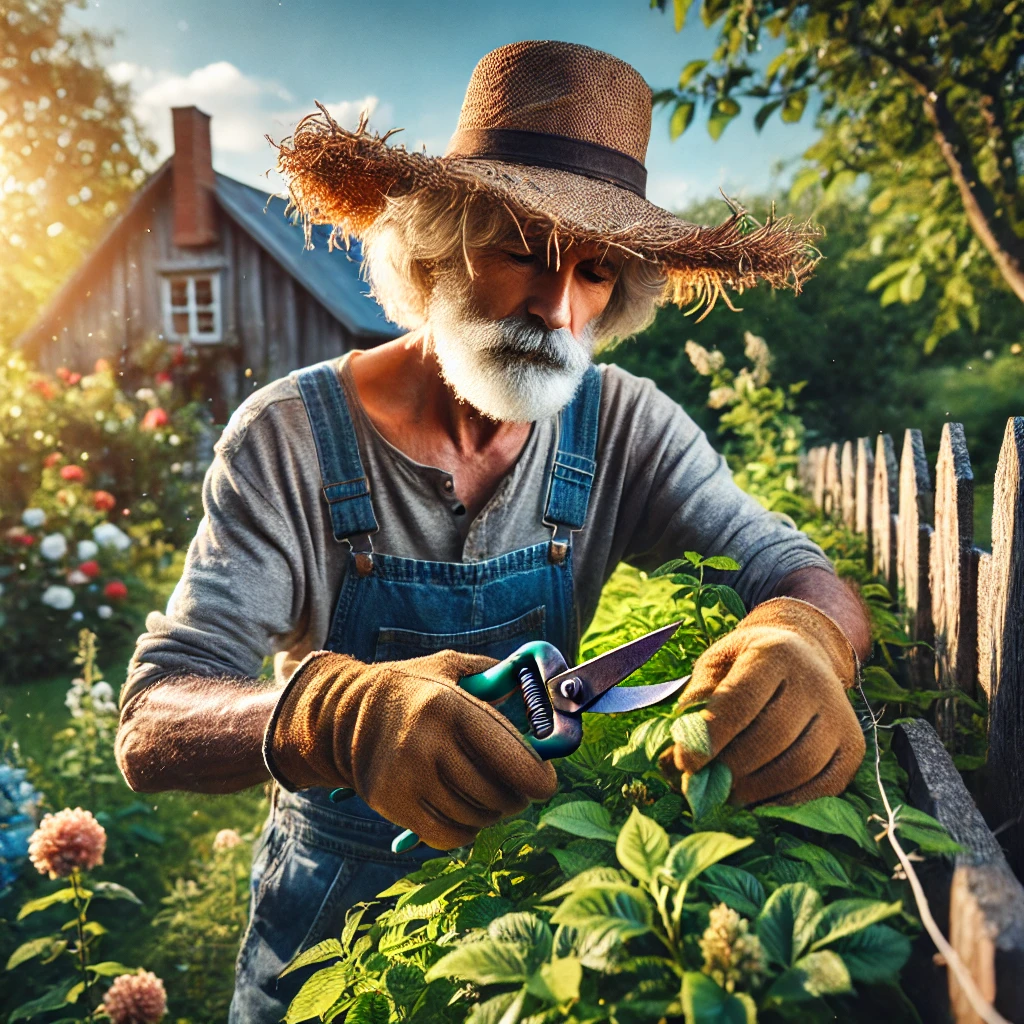
Hey there, fellow garden enthusiasts! James here from Organic Gardening Collective. Today, we’re diving into a topic that’s close to my heart and critical for any thriving garden: proper pruning techniques. I remember when I first started gardening, I was so afraid of pruning. I thought I’d hurt my plants or worse, kill them! But let me tell you, once I learned the art of pruning, it was like unlocking a superpower for my garden. So, grab your pruning shears, and let’s get started on this journey to a healthier, more beautiful garden!
Understanding the Basics of Pruning
First things first, what exactly is pruning? Simply put, it’s the careful removal of specific parts of a plant, typically branches, buds, or roots. But don’t let that simplicity fool you – proper pruning is both an art and a science.
The main goals of pruning are:
- Improving plant health
- Shaping plants for aesthetic purposes
- Increasing productivity, especially for fruit trees and flowering plants
To get started, you’ll need a few essential tools:
- Pruning shears (my personal favorite for most jobs)
- Loppers for thicker branches
- Pruning saws for those really tough, woody stems
- And don’t forget a good disinfectant to clean your tools between cuts – this helps prevent the spread of diseases
Now, I know choosing the right tools can be overwhelming. When I first started, I was lost in a sea of options! But let me tell you, having the right tools makes all the difference. If you’re looking to upgrade your pruning kit, I recently discovered this fantastic set of pruning tools that I absolutely love. It’s got everything you need to get started, and the quality is top-notch. Trust me, your plants will thank you for investing in good tools!
The Science Behind Pruning
Now, I know what you’re thinking – “James, I just want to trim my plants, why do I need to know the science?” Trust me, understanding a bit about plant anatomy will make you a pruning pro in no time!
Plants have these things called nodes, which are the points where leaves, buds, and branches grow from the stem. When you prune, you’re essentially directing the plant’s energy to specific nodes, influencing how it grows.
There’s also this cool thing called apical dominance. It’s why plants tend to grow upward – the topmost bud produces hormones that suppress the growth of lower buds. When you prune the top, you’re allowing those lower buds to grow, creating a bushier plant.
Timing is crucial too. For most plants, the best time to prune is during their dormant season, typically late winter or early spring. But there are exceptions – for example, spring-flowering shrubs are best pruned right after they bloom. Always do a quick check on the specific needs of your plants before you start snipping!
Speaking of timing, if you’re interested in extending your growing season, check out our guide on growing fresh food all winter. It’s a great way to keep your green thumb active year-round!
Types of Pruning Techniques
Alright, now let’s get into the nitty-gritty of pruning techniques. There are several methods, each serving a different purpose:
- Thinning: This is when you remove entire branches back to their point of origin. It’s great for improving air circulation and letting more light into the center of trees or shrubs. I use this a lot on my fruit trees to prevent fungal issues.
- Heading: Here, you cut branches back to a bud. This encourages dense, compact growth and is perfect for creating hedges or shaping ornamental plants.
- Deadheading: This is the process of removing spent flowers. It not only keeps your plants looking tidy but also encourages more blooms. I deadhead my roses religiously, and let me tell you, the results are spectacular!
- Crown Reduction: This technique is used to reduce the height of trees while maintaining their natural shape. It’s particularly useful for trees that have outgrown their space.
- Pinching: This is a gentler form of pruning where you literally pinch off the growing tips of plants with your fingers. It’s great for encouraging bushiness in herbs and young plants.
If you’re particularly interested in herb care, you might want to check out our ultimate guide to herb propagation. It’s a great companion to your pruning knowledge!
Step-by-Step Pruning Guide
Now that we’ve covered the basics, let’s walk through the pruning process step-by-step:
- Assess the plant: Take a good look at your plant. Identify any dead, diseased, or damaged branches – these should be your first targets.
- Plan your cuts: For larger branches, use the “three-cut method” to prevent tearing:
- Make a small notch on the underside of the branch, about a foot from the trunk.
- Make a second cut from the top, slightly further out from the first cut.
- Finally, cut close to the trunk, just outside the branch collar.
- Make clean cuts: Always cut at a 45-degree angle just above a bud or node. This allows water to run off and prevents disease.
- Work systematically: Start from the bottom of the plant and work your way up, and from the inside out. This way, you’ll have better access and visibility as you go.
- Step back and assess: Regularly step back and look at the overall shape of the plant. It’s easy to get carried away, so take breaks to ensure you’re maintaining the desired form.
Common Pruning Mistakes to Avoid
In my years of gardening, I’ve made (and seen) plenty of pruning mistakes. Here are a few to watch out for:
- Cutting too close to the bud: This can damage the bud and prevent new growth.
- Leaving stubs: Cutting too far from the bud or branch collar can lead to die-back and disease.
- Over-pruning: Remember, most plants don’t need more than 25% of their live tissue removed in a single season.
- Using dull tools: Sharp, clean cuts heal faster and are less likely to introduce disease.
Special Pruning Considerations
Different types of plants have different pruning needs. Here are a few special cases:
- Fruit Trees: Focus on creating an open center to improve air circulation and sunlight penetration. This reduces fungal issues and improves fruit quality.
- Shrubs and Hedges: Try to maintain their natural shape. Shearing might look neat, but it can weaken the plant over time.
- Roses: These beauties benefit from regular pruning. Remove any suckers growing from the rootstock and cut out any dead or crossing canes.
- Evergreens: These are generally low-maintenance but benefit from light pruning to maintain shape. Be careful not to cut into old wood, as many evergreens won’t regrow from it.
If you’re new to gardening and feeling a bit overwhelmed, don’t worry! We’ve got a great resource on fall gardening tips for beginners that can help you get started.
Aftercare and Maintenance
After pruning, a little TLC goes a long way:
- Apply a layer of mulch around the base of the plant to retain moisture and suppress weeds. If you’re not sure how to mulch properly, check out our fall mulching guide for some expert tips.
- Water deeply, especially if you’ve done significant pruning.
- Keep an eye on your plants in the weeks following pruning. If you notice any signs of stress or disease, act quickly.
Conclusion
Pruning might seem daunting at first, but with practice, it becomes second nature. Remember, every cut is an opportunity to improve your plant’s health and appearance. Start small, observe the results, and soon you’ll be pruning with confidence.
I hope this guide helps you on your pruning journey. Remember, gardening is all about learning and growing – both for our plants and ourselves. If you’re looking to expand your gardening knowledge even further, why not try your hand at growing fresh herbs indoors? It’s a great way to keep your pruning skills sharp year-round!
If you have any questions or want to share your pruning experiences, drop a comment below or join us in the Organic Gardening Collective Facebook group. It’s a fantastic community of gardening enthusiasts where you can share tips, ask questions, and connect with fellow green thumbs. Don’t be shy – we’d love to see your pruning success stories!
Happy pruning, everyone!