Estimated reading time: 5 minutes
Hey garden friends, James here! Today we’re diving into something pretty exciting that’s happening in Washington DC. You know how I’m always talking about sustainable farming practices? Well, someone who’s been a huge inspiration to me just landed a major role that could change American agriculture as we know it.
The Surprising New Face at the USDA
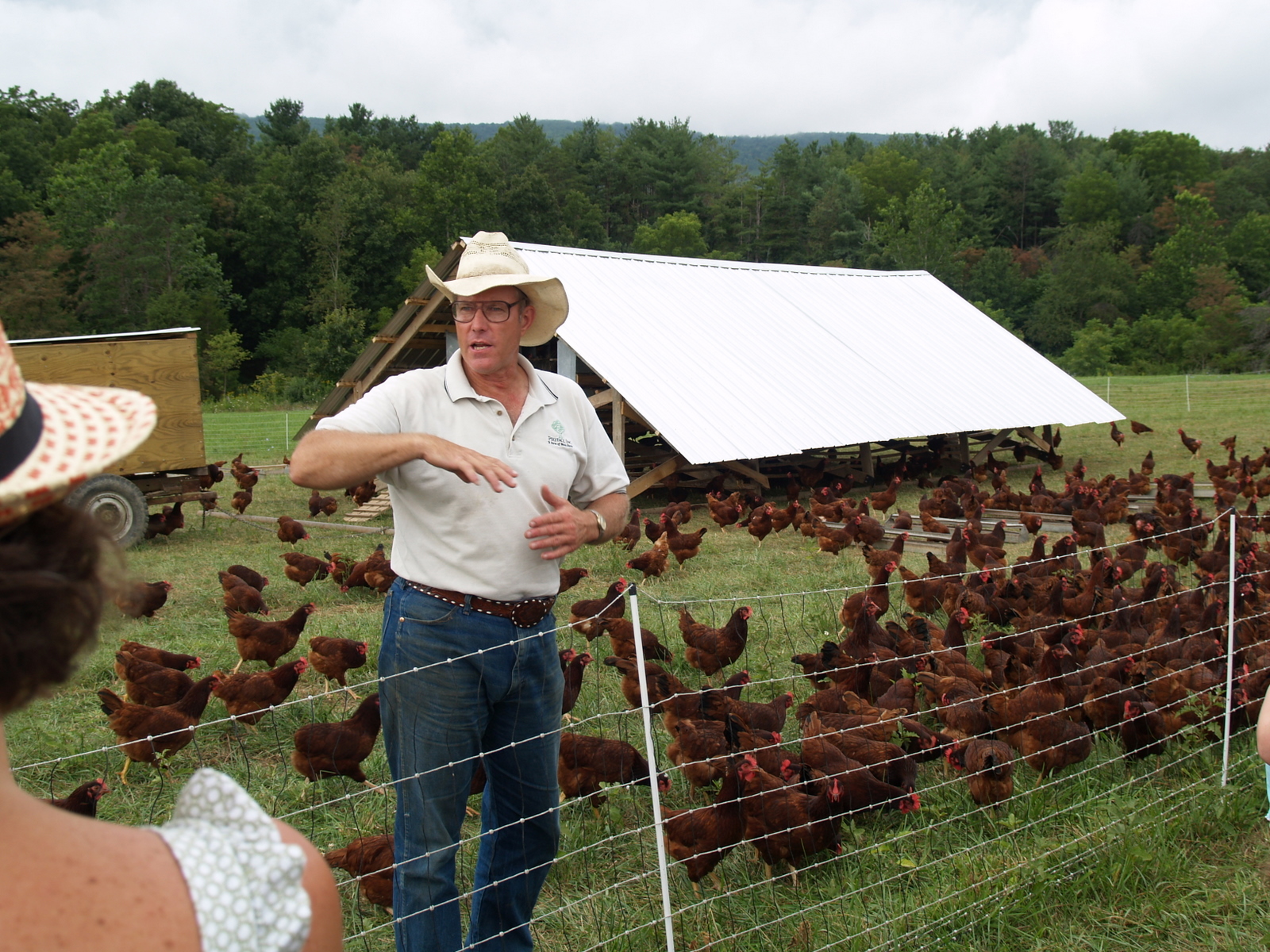
Joel Salatin – yeah, that Joel Salatin – just got appointed as an Advisor to the Secretary of Agriculture. If you’re scratching your head wondering why this is such a big deal, let me tell you a story about a farmer who calls himself a “Christian libertarian environmentalist capitalist lunatic.”
I first came across Joel’s work when I was struggling with soil health in my own garden. His book “You Can Farm” completely changed how I thought about working with nature instead of against it. Just like I showed you in my guide about the incredible underground network of mycorrhizal fungi, Joel’s approach is all about understanding and working with nature’s systems.
From Virginia Hills to Washington’s Halls
At his 550-acre Polyface Farm in Virginia’s Shenandoah Valley, Joel’s been quietly revolutionizing farming for decades. Remember when I shared my journey learning about DIY composting? Those same soil-building principles are what Joel takes to a whole new level on his farm. He’s developed systems that:
- Transform depleted soil into thriving ecosystems through rotational grazing (I’ve adapted this concept for rotating my garden beds!)
- Build water-retaining soil that acts like a natural sponge – crucial for drought resistance
- Create resilient food systems that work together, just like in nature
- Prove that small-scale farming can be profitable AND environmentally friendly
A Lesson from History We Can’t Forget
You know what keeps me up at night sometimes? Thinking about the Dust Bowl of the 1930s. It wasn’t just some natural disaster – it was a human-made catastrophe caused by farming practices that completely ignored soil health. Millions of acres turned to dust, families displaced, and an environmental disaster that showed us exactly what happens when we treat soil like dirt instead of a living ecosystem.
You know how I’m always emphasizing the importance of protecting soil over winter with proper mulching techniques? Joel takes this same protective approach to farming – because healthy soil isn’t optional, it’s essential for our future. Joel’s appointment could be a turning point in preventing another Dust Bowl-style catastrophe.
Why This Matters for Your Garden
Look, I know not everyone has acres of land to work with. Many of my readers started their growing journey with just a few herbs on a windowsill (I’ve got a complete guide on indoor herb growing if you’re interested in starting small). But whether you’re tending to windowsill basil or managing a large garden, this appointment could mean big changes:
- More Support for Small-Scale Growers: Imagine better resources and education for backyard gardeners
- Focus on Soil Health: More research into organic methods that we can all use
- Local Food Systems: Stronger farmers’ markets and community gardens
- Educational Resources: Better training in sustainable techniques
The Challenges Ahead (And How We Can Help)
Let’s be real – changing a system as big as U.S. agriculture isn’t going to be easy. I’ve seen this same resistance when helping people transition to organic gardening methods. The big ag companies aren’t exactly thrilled about having a regenerative farming advocate in Washington.
But here’s what gives me hope: just like I’ve seen in our community, real change often starts small and grows naturally. When I first started teaching about natural pest control, people thought I was a bit crazy too. Now? It’s becoming mainstream.
Winter’s Coming – Time to Plan for Change
The cold season is actually perfect for planning and learning – which is why I recently wrote about growing food indoors during winter. While we’re tending to our indoor gardens, While Joel works on policy in Washington, we can prepare our own gardens for a more sustainable future:
- Start a Compost Pile: Feed your soil the natural way
- Learn About Cover Crops: Protect and enrich your soil during off-seasons
- Plan Your Crop Rotation: Just like Joel’s rotational grazing, but for vegetables
- Connect with Local Farmers: Build those community food networks
- Share Your Knowledge: Teach others about sustainable growing
Beyond the Garden Gate
The impact of Joel’s appointment could reach far beyond our garden beds. Think about:
- Water Conservation: His methods could help restore depleted aquifers
- Climate Change: Regenerative farming could be a powerful tool for carbon sequestration
- Biodiversity: Support for diverse growing methods could help protect endangered species
- Rural Communities: Small farm support could revitalize local economies
My Take on All This
As someone who’s been practicing and teaching organic gardening for years, I’m cautiously optimistic about Joel’s appointment. Will he be able to change everything overnight? Probably not. But having someone in Washington who understands the importance of soil health, water conservation, and sustainable growing practices? That’s a huge step in the right direction.
Just like I teach in my seed starting guide, every great garden begins with a single seed. Every movement starts with individual actions. Whether you’re tending a few herbs on your windowsill or managing a full-scale market garden, you’re part of this movement toward more sustainable food production.
What’s Next?
Want to be part of this agricultural revolution? Here’s your action plan:
- Start composting if you haven’t already
- Support your local farmers’ markets
- Learn about regenerative gardening practices
- Share your knowledge with other gardeners
- Consider joining or starting a community garden
What do you think about having a regenerative farming advocate in Washington? Drop your thoughts in the comments below, and let’s keep this conversation going!
Happy growing, James
P.S. The principles Joel advocates for on a large scale mirror what we practice in our own gardens. If you’re curious about getting started with sustainable methods, I’d recommend beginning with natural pest control – it’s one of the easiest ways to start working with nature instead of against it.