Estimated reading time: 3 minutes
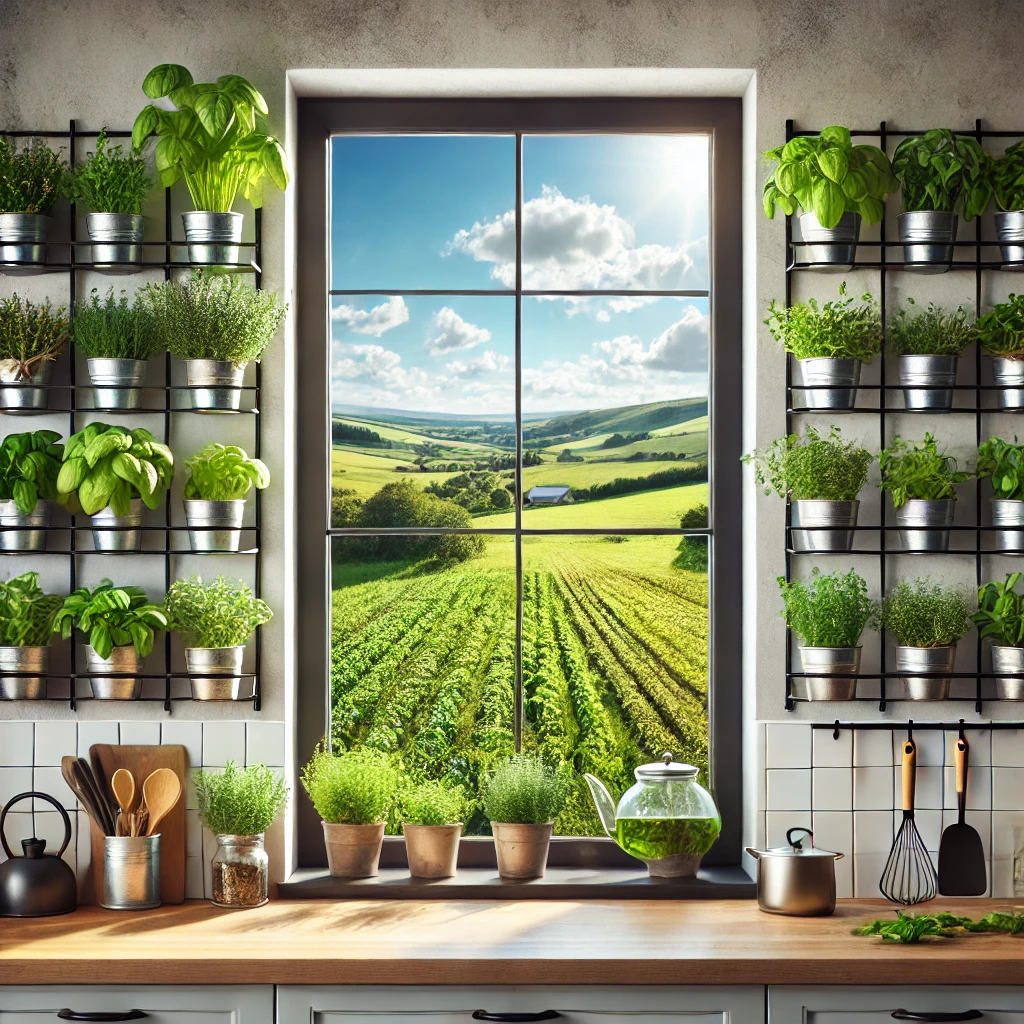
Hey garden friends! As everyone dives into our fall mulching guide and growing garlic this fall, here’s a tip for keeping fresh flavors going through winter—right in your kitchen! Last year, I started a little indoor herb garden, and now I have fresh basil and mint on demand. Indoor gardening is easier than you might think, and it’s a great way to keep a touch of green around, even when it’s snowing outside. Let me show you how to get started!
Best Herbs for Kitchen Window Gardens
When it comes to indoor gardening, some herbs are absolute champs. If you’re new to herb growing, start with the essentials—just like we discuss in our seed starting guide for beginners. Basil is a top choice; it loves sunny windows and adds flavor to pasta and pizzas. Mint is another great option and is practically unstoppable indoors. It’s perfect for tea, mocktails, or a fresh pop of flavor in recipes. Rosemary and chives are also low-maintenance, hardy herbs to try.
Simple Indoor Herb Garden Setup
Setting up your indoor garden is straightforward, and as we mention in our fall gardening tips for beginners, preparation goes a long way! Here’s what you’ll need:
- A sunny window (south-facing works best)
- Containers with drainage (our best online tree nurseries guide has some great options)
- Quality potting soil specifically for herbs
- Starter plants from your grocery store or local nursery
Skip the fancy equipment; a simple setup is enough to keep your herbs thriving through winter!
Indoor Herb Watering Guide
Proper watering is a game-changer, just like we discuss in our fall tree planting guide. Overwatering is the #1 mistake for indoor herbs, so here’s the secret: use your finger to check the soil. If it feels dry about an inch down, give it a drink. Still damp? Wait another day. This small step will keep your indoor plants happy and help prevent the dreaded “death by overwatering.”
Harvesting Tips for Kitchen Herbs
Harvesting correctly is key to keeping your plants healthy. Just like growing garlic, timing and technique matter. With herbs, the more you snip, the more they grow, as long as you don’t cut back more than a third of the plant at once. This gentle trim encourages bushier growth, giving you fresh herbs all winter long without damaging the plant.
Common Indoor Herb Problems (Easy Fixes!)
Indoor herbs come with a few quirks, but they’re easily managed. Using the problem-solving approach from our fall mulching guide:
- Yellow leaves? Ease up on watering—most herbs prefer slightly dry soil.
- Leggy plants? Move them closer to the window for better light.
- Brown leaf tips? Mist them occasionally to add humidity.
These quick adjustments keep your herbs healthy and happy in a dry, heated indoor environment. My own kitchen basil started as a grocery store impulse buy, and now it supplies weekly fresh leaves for pasta and sauces!
Want to learn more? Drop a comment below! And if you’re looking for seasonal inspiration, check out our fall gardening guide and beginner seed starting tips for even more gardening ideas. Happy Growing!
– James
P.S. Next week, I’ll be sharing tips on herb propagation, so stay tuned!

Comments
3 responses to “Growing Fresh Herbs Indoors: The Easy Kitchen Window Garden Guide”
[…] Growing Fresh Herbs Indoors: The Easy Kitchen Window Garden Guide […]
[…] interested in setting up an indoor herb garden, be sure to check out our article from last week on Growing Fresh Herbs Indoors: The Easy Kitchen Window Garden Guide. In this guide, we’ll take you through the most effective ways to propagate popular herbs like […]
[…] wallet will thank you too: Have you seen herb prices lately? Growing your own herbs indoors pays for itself in […]